How US Tariffs on Chinese EVs Will Affect Canada in 2026-2027
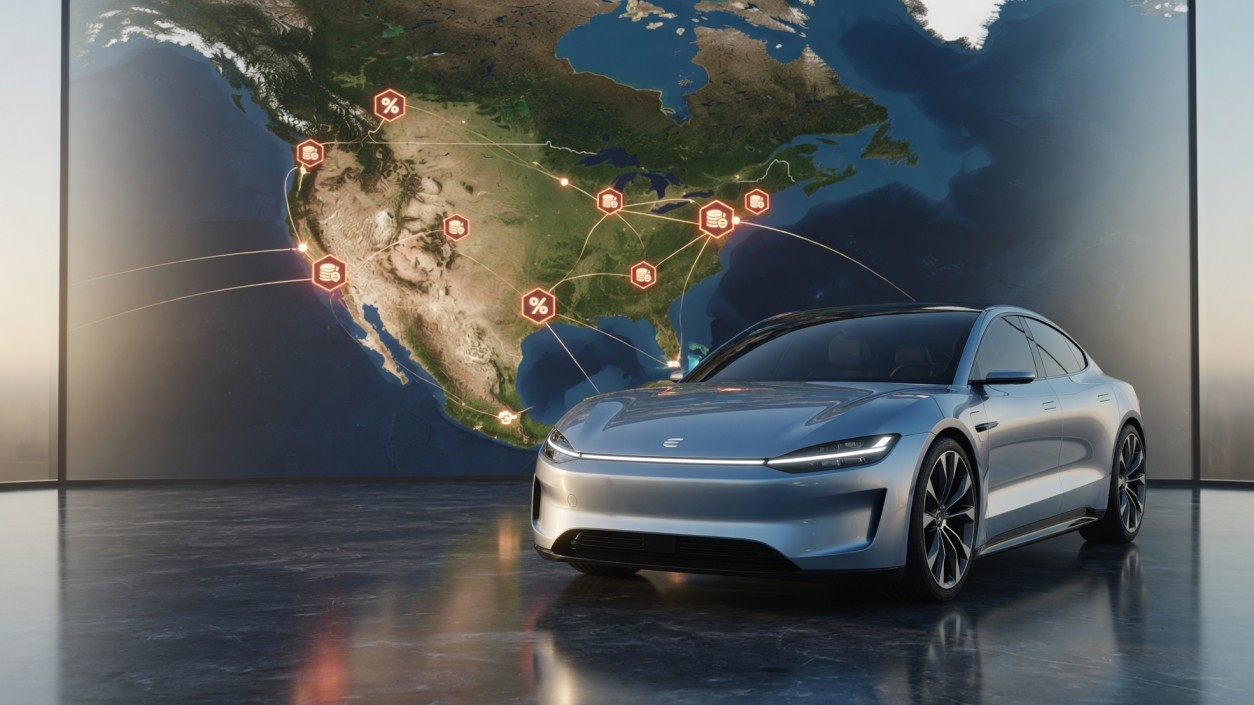
In recent years, the United States has taken strong action against Chinese electric vehicles by imposing high tariffs. These tariffs are designed to protect American automakers from low-priced Chinese competition. However, this decision can also have a significant impact on Canada, especially as the country prepares to open its market to Chinese EV brands in 2026.
In this article, we will analyze how US tariffs on Chinese EVs could affect Canada in 2026 and 2027.
Background: US Tariffs on Chinese EVs
In 2024, the United States announced tariffs of up to 100% on Chinese-made electric vehicles. The main reasons behind these tariffs were:
- Protecting domestic EV manufacturers (like Tesla, GM, and Ford)
- Concerns over unfair subsidies given by the Chinese government to its EV companies
- National security and supply chain concerns
These tariffs made it very difficult and expensive for Chinese EV brands to sell vehicles in the US market.
Canada’s Current Position
Unlike the United States, Canada has taken a more cautious approach. As of mid-2026:
- Canada has not imposed the same high tariffs on Chinese EVs as the US.
- The Canadian government is still reviewing its policy and is under pressure from both the US and domestic industry.
- Chinese brands like BYD, Zeekr, and Chery are preparing to enter the Canadian market in 2026.
This difference in policy between the US and Canada could create tension in trade relations under the USMCA (United States-Mexico-Canada Agreement).
Possible Impacts on Canada (2026-2027)
Here’s how US tariffs on Chinese EVs could affect Canada:
1. Increased Pressure from the United States
The US may push Canada to impose similar tariffs on Chinese EVs. If Canada does not follow, it could face trade tensions or restrictions from the US. This could affect other sectors of trade between the two countries.
2. Cheaper Chinese EVs in Canada
Because Canada has not imposed high tariffs yet, Chinese EVs could enter the Canadian market at much lower prices compared to the US. This could make Chinese brands more competitive in Canada and attract price-sensitive buyers.
3. Impact on Canadian EV Market Competition
If Chinese EVs enter Canada at lower prices, it could increase competition for existing brands like Tesla, Hyundai, Kia, and Volkswagen. This may benefit Canadian consumers through lower prices but could hurt sales of non-Chinese EV brands.
4. Supply Chain and Manufacturing Effects
Some automakers may shift their production strategies. For example, companies might avoid setting up manufacturing in Canada if they fear future tariffs or trade restrictions from the US.
5. Consumer Choice and Pricing
Canadian buyers may get more affordable EV options if Chinese brands enter without heavy tariffs. However, concerns about quality, service network, and resale value may still limit their popularity.
Summary of Possible Impacts
Future Outlook (2026-2027)
The impact of US tariffs on Canada will largely depend on how the Canadian government responds. There are three possible scenarios:
- Canada follows the US and imposes similar high tariffs on Chinese EVs (this could reduce Chinese EV imports).
- Canada maintains lower tariffs, allowing Chinese EVs to enter at competitive prices (this could increase market competition).
- Canada negotiates a middle path, imposing moderate tariffs while protecting its trade relationship with both the US and China.
Experts believe that by late 2026 or 2027, Canada will have to make a clearer policy decision.
Final Thoughts
US tariffs on Chinese electric vehicles will likely create both opportunities and challenges for Canada. On one hand, Canadian consumers may benefit from more affordable EV options. On the other hand, Canada may face trade pressure from the United States and uncertainty in its EV market.
As Chinese brands prepare to enter Canada in 2026, the government will need to carefully balance trade relations, consumer interests, and support for domestic industry.
Would you like me to also write about how this situation could affect specific Chinese brands like BYD or Zeekr in Canada?