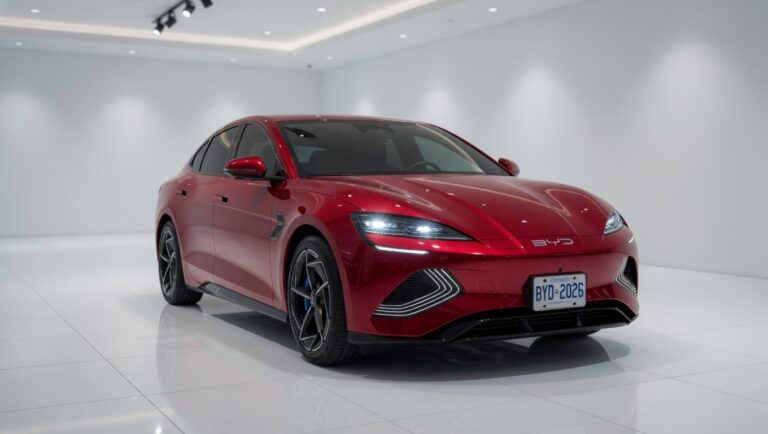
Chinese EV Service Network Canada: How Brands Are Expanding
As Chinese electric vehicle brands prepare to officially enter the Canadian market in 2026, one of their biggest challenges is building a reliable service and dealership network. Unlike Tesla, which created its own service centers, most Chinese brands are following a different strategy.
In this article, we will explore how Chinese EV brands are building their service networks in Canada and what challenges they are facing.
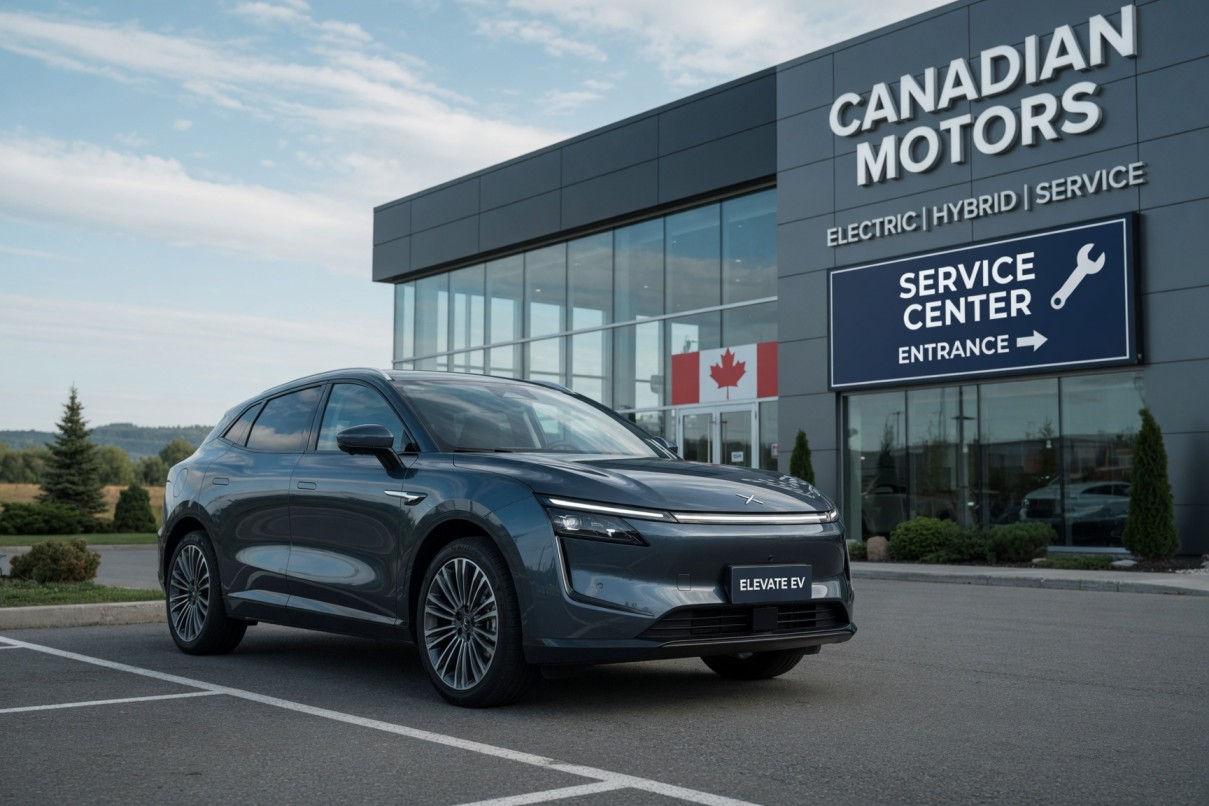
Chinese EV Brands Entering Canada
Several Chinese automakers have shown strong interest in entering Canada. The major players include:
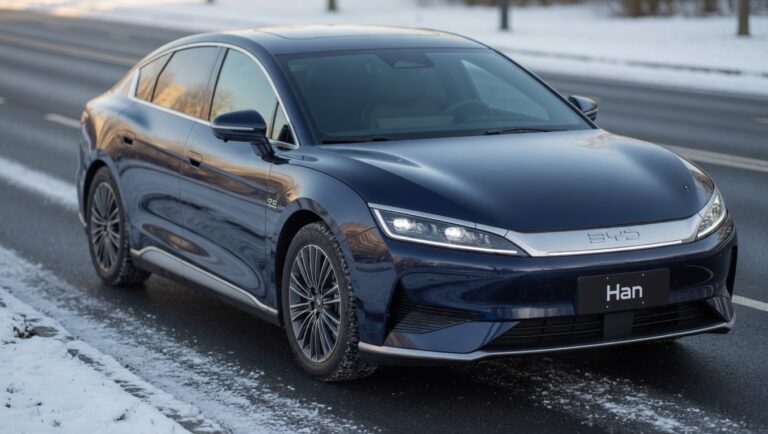
- BYD: One of the world’s largest EV makers. It has already started preparing to launch in Canada in 2026.
- Zeekr: A premium EV brand under Geely. It is also planning its entry into Canada.
- Chery (Jaecoo): This brand has been testing vehicles in Canada and is expected to launch soon.
These brands are focusing on both sales and after-sales service to build trust among Canadian buyers.
Strategy for Building Service Networks
Chinese EV brands are mostly following a hybrid approach to build their service networks in Canada. Here’s how they are doing it:
1. Partnering with Local Dealer Groups
Instead of building everything from scratch, Chinese brands are partnering with established Canadian auto dealerships. This helps them quickly set up showrooms and service centers across different provinces without heavy investment.
2. Opening Company-Owned Experience Centers
Some brands, like Zeekr, plan to open a limited number of company-owned experience centers in major cities such as Toronto, Vancouver, and Montreal. These centers will focus on brand experience and premium service.
3. Training Local Technicians
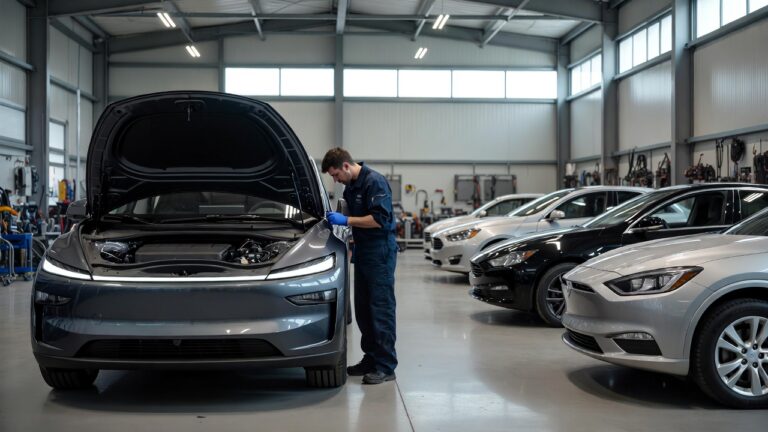
Chinese brands are investing in training programs for Canadian technicians. Since EV technology is different from traditional vehicles, proper training is necessary for maintenance and repairs.
4. Mobile Service and Roadside Assistance
To make up for the limited number of service centers in the beginning, some brands are planning to offer mobile service and strong roadside assistance programs.
Current Progress of Chinese EV Brands in Canada
Challenges Faced by Chinese EV Brands
Building a service network in Canada is not easy. Chinese brands are facing several challenges:
- Limited Brand Trust: Many Canadians are still unfamiliar with Chinese EV brands and have concerns about after-sales service.
- High Initial Investment: Setting up service centers across Canada requires significant money and time.
- Technician Shortage: There is a shortage of trained EV technicians, especially outside major cities.
- Parts Availability: Ensuring quick availability of spare parts across the country will be difficult in the beginning.
- Strong Competition: Tesla, Hyundai, Kia, and Volkswagen already have well-established service networks in Canada.
Final Thoughts
Chinese EV brands are taking a smart but careful approach to building their service networks in Canada. By partnering with local dealers and focusing on training, they are trying to reduce costs while still offering acceptable after-sales support.
However, they will need to work hard to overcome trust issues and compete with well-established brands. The next 2–3 years will be very important. Their success will depend not only on vehicle quality and pricing but also on how well they support customers after the sale.
Would you like me to also write about how specific brands like BYD or Zeekr are planning their expansion in Canada?