EV and Mental Stress: Range Anxiety in Canadian Winters
Electric vehicles are becoming more popular in Canada, but many owners face a common problem — range anxiety. This is the fear of running out of battery before reaching a charging station. In Canadian winters, this fear becomes even stronger due to reduced battery performance.
In this article, we will explore how range anxiety affects the mental health of EV owners in Canada and what can be done to manage it.
What is Range Anxiety?
Range anxiety is the stress or worry that an electric vehicle might not have enough battery to reach the destination or the next charging station. This feeling is especially common among new EV owners or those who frequently travel long distances.
Unlike gas cars, where you can quickly refuel in a few minutes, charging an EV takes much longer. This adds to the mental pressure, especially when the weather is harsh.
Why Range Anxiety Increases in Canadian Winters
Cold weather significantly affects EV batteries. Here’s why range anxiety becomes more serious in winter:
- Battery Range Drops: In temperatures below -10°C, many EVs lose 25% to 40% of their normal range.
- Higher Energy Use: Cabin heating, seat warmers, and defrosting use extra battery power.
- Slower Charging: Batteries charge slower in cold weather.
- Longer Routes: Many Canadians travel long distances between cities, especially in provinces like Alberta, Saskatchewan, and Ontario.
- Limited Charging Stations: In rural and remote areas, fast chargers are still limited.
Because of these factors, many EV owners feel stressed while planning winter trips.
How Range Anxiety Affects Mental Health
Range anxiety doesn’t just affect driving — it can also impact mental well-being. Some common effects include:
- Constant Planning Stress: Owners spend extra time planning routes, checking charger availability, and calculating remaining range.
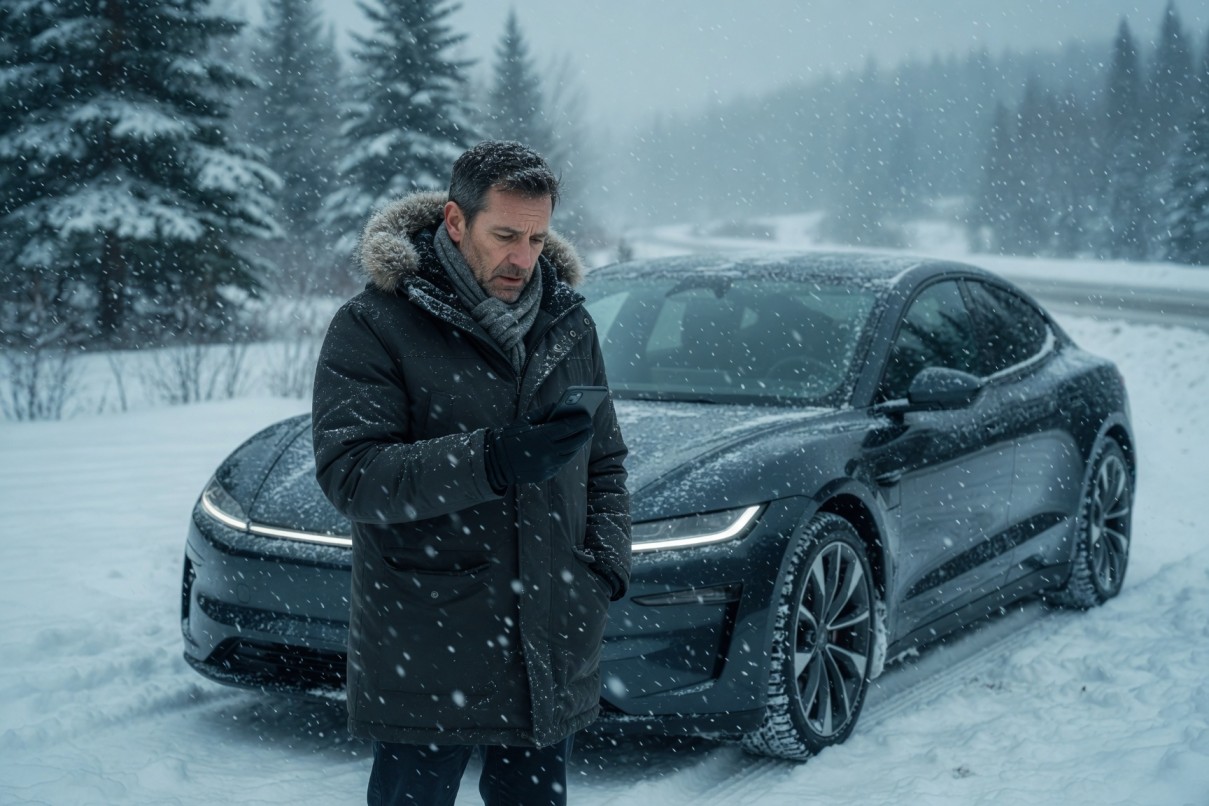
- Fear of Getting Stranded: The worry of being stuck in cold weather with no charging option increases anxiety.
- Trip Avoidance: Some people avoid long trips altogether, which can affect their social life and work.
- Decision Fatigue: Constantly thinking about battery percentage and charging stops can be mentally exhausting.
- Sleep Disturbance: Some owners have reported stress and poor sleep before long winter journeys.
Studies and owner surveys have shown that range anxiety is one of the top reasons why some people hesitate to buy or continue using an EV in cold climates.
Real Experiences of EV Owners in Canada
Many Canadian EV owners have shared their experiences online and in surveys:
- Some drivers say they always keep a 20–30% buffer in winter, even if it means charging more often.
- Others avoid highway driving in extreme cold and prefer shorter city routes.
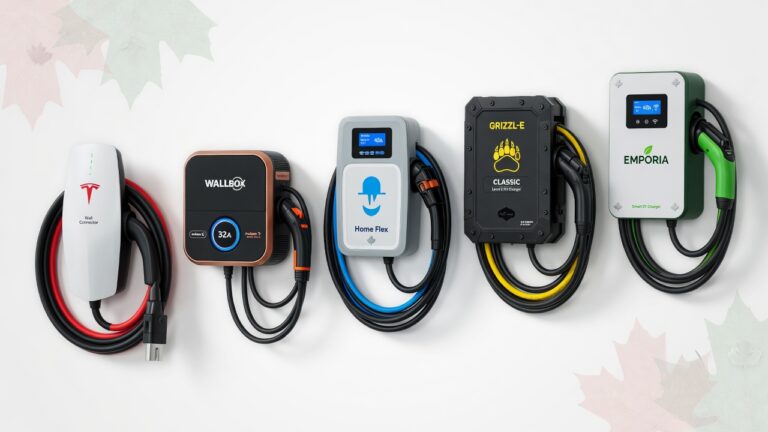
- A few owners have installed home chargers and bought portable chargers for emergencies to reduce stress.
- New EV owners usually feel more anxiety in their first winter, but it reduces over time as they gain experience.
Comparison: EV vs Gas Car Owners in Winter
How to Manage Range Anxiety
Here are some practical ways EV owners can reduce stress during Canadian winters:
- Always keep a 20–30% battery buffer in winter.
- Use apps like PlugShare or Tesla’s navigation to find reliable chargers.
- Precondition the vehicle while it is still plugged in.
- Plan longer stops at fast chargers instead of rushing.
- Install a home charger if possible for daily charging peace of mind.
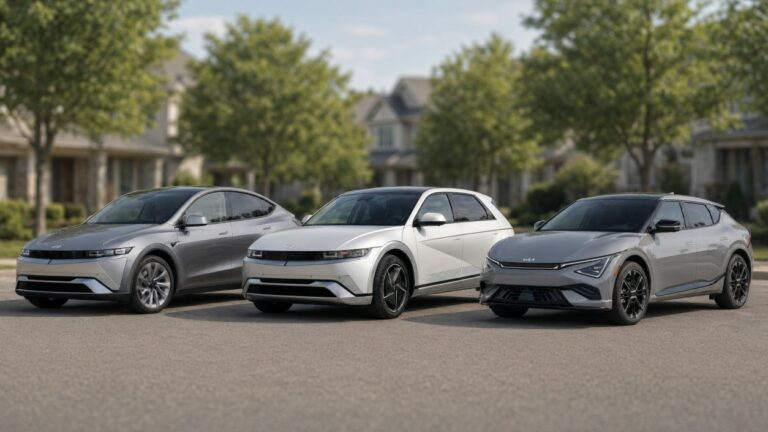
- Choose EVs with good cold-weather performance (such as Tesla Model Y or Hyundai Ioniq 5).
Final Thoughts
Range anxiety is a real issue for many EV owners in Canada, especially during winter. It not only affects driving but can also cause mental stress, fatigue, and avoidance of long trips. While this feeling often reduces with time and experience, it remains one of the biggest psychological barriers to EV adoption in cold climates.
As charging infrastructure improves and battery technology gets better, range anxiety is expected to decrease. However, for now, it is important for both current and future EV owners to understand and manage this stress effectively.
Would you like tips on the best EVs for reducing winter range anxiety in Canada?