Electric School Buses in Canada: Growth and Challenges
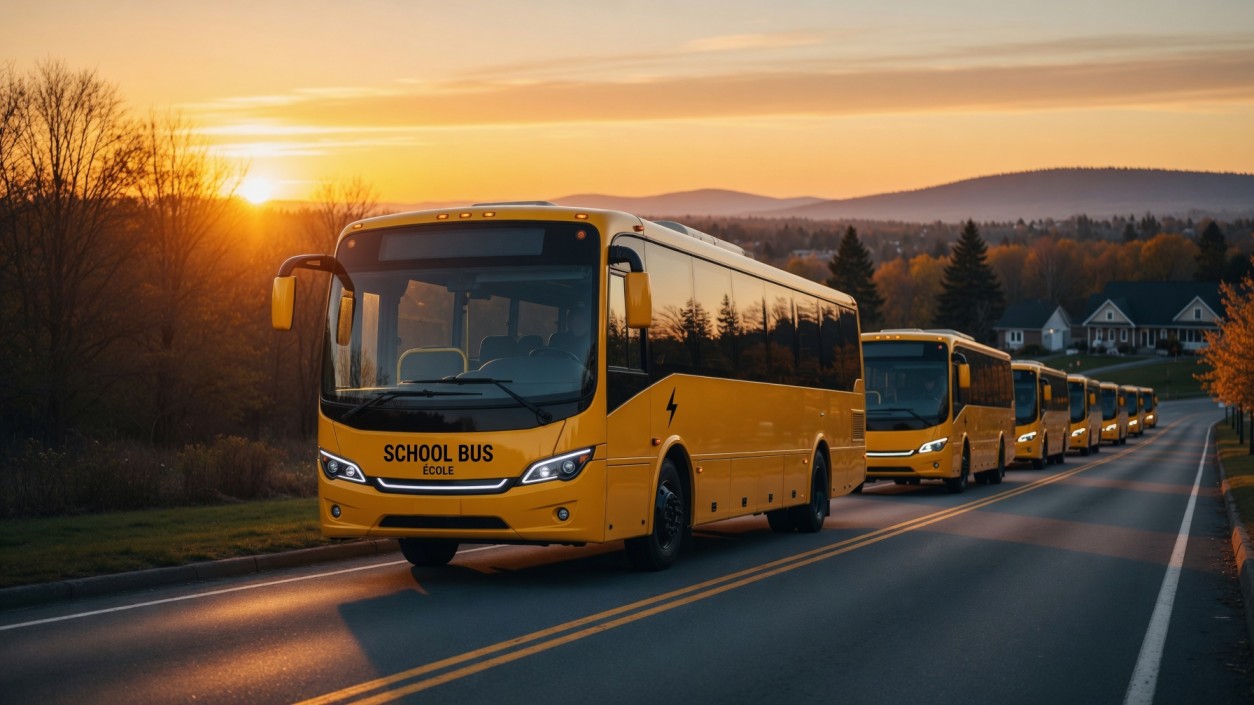
Electric school buses are gaining attention worldwide as a cleaner and healthier alternative to diesel buses. In Canada, the adoption of electric school buses is still in its early stages, but interest is growing. Several provinces have started pilot projects, and the federal government has also announced funding support.
However, Canada faces unique challenges due to its climate, geography, and infrastructure. In this article, we will explore the growth and challenges of electric school buses in Canada as of 2026.
Current Status of Electric School Buses in Canada
As of 2026, electric school buses in Canada are still limited compared to the United States. Most deployments are in the form of pilot projects rather than large-scale replacements.
- Ontario and Quebec have taken the lead with several electric school buses already in operation.
- British Columbia has also started small-scale adoption.
- Other provinces like Alberta, Saskatchewan, and the Atlantic provinces have very limited or no electric school buses yet.
According to recent estimates, fewer than 500 electric school buses are currently operating across Canada, which is a very small number compared to the total school bus fleet (over 50,000 buses).
Government Support and Funding
The Canadian government has introduced some funding programs to support zero-emission school buses:
- The Zero Emission Transit Fund provides financial support for purchasing electric buses.
- Some provinces offer additional incentives and grants for school boards.
- The federal government has set targets to reduce emissions from the transportation sector, which includes school transportation.
However, many school boards say that the current funding is not enough to cover the high upfront cost of electric buses.
Major Challenges of Electric School Buses in Canada
Despite the benefits, several challenges are slowing down the adoption of electric school buses in Canada:
1. High Upfront Cost
Electric school buses are significantly more expensive than diesel buses. A single electric school bus can cost between $300,000 to $450,000, compared to around $120,000–$150,000 for a diesel bus. Many school boards cannot afford this without heavy subsidies.
2. Cold Weather Performance
Canada’s harsh winters create major challenges. Cold temperatures can reduce battery range by 30–50%, which affects the ability of buses to complete long routes, especially in rural areas.
3. Limited Charging Infrastructure
Many schools, especially in rural and remote areas, do not have the necessary electrical infrastructure to install fast chargers. Upgrading electrical systems can be very expensive.
4. Limited Range for Rural Routes
Rural school routes are often much longer than urban ones. Current electric school buses may struggle to complete these routes on a single charge, especially in winter.
5. Lack of Local Manufacturing and Supply Chain
Canada has limited domestic production of electric school buses. Most buses are imported, which increases costs and delivery times.
Benefits of Electric School Buses
Despite the challenges, electric school buses offer several important benefits:
- Cleaner Air: They produce zero tailpipe emissions, which improves air quality around schools.
- Health Benefits: Children are protected from harmful diesel exhaust, which can cause respiratory problems.
- Lower Operating Costs: Electricity is cheaper than diesel, and electric buses have fewer moving parts, reducing maintenance costs.
- Noise Reduction: Electric buses are much quieter than diesel buses.
- Alignment with Climate Goals: They help Canada meet its emission reduction targets.
Comparison: Electric vs Diesel School Buses
Future Outlook
The future of electric school buses in Canada looks promising but will require strong support. Experts believe that with better funding, improved battery technology, and expanded charging infrastructure, adoption can increase significantly after 2027–2028.
Some provinces are already planning larger pilot programs, and companies like Lion Electric (based in Quebec) are playing a key role in manufacturing electric school buses for the North American market.
Final Thoughts
Electric school buses in Canada are still in the early stages of adoption. While they offer clear environmental and health benefits, challenges like high costs, winter performance, and limited infrastructure are slowing down progress.
For electric school buses to become mainstream in Canada, stronger government support, better technology suited for cold climates, and improved charging infrastructure will be essential.
Would you like me to also write about which provinces are leading in electric school bus adoption or compare Canada’s progress with the United States?