EV and Solar Panel Integration in Canadian Homes: Is It Worth It in 2026?
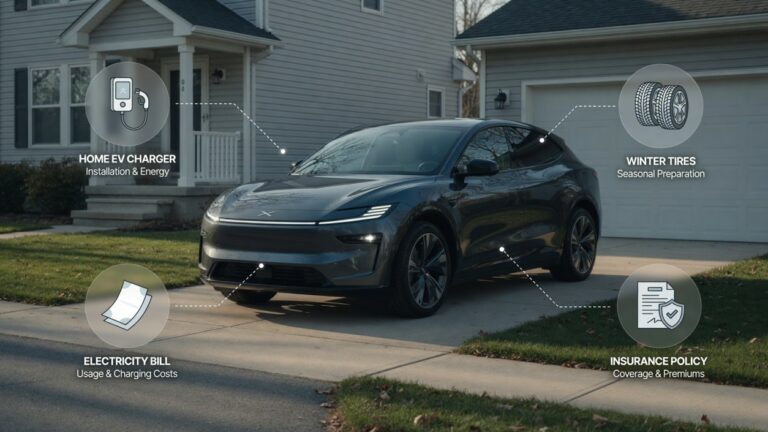
As electric vehicle adoption grows in Canada, more homeowners are exploring the idea of combining solar panels with EV charging at home. This combination, often called EV and Solar Integration, allows homeowners to generate their own electricity and use it to charge their electric vehicle.
But the big question is — Is it actually worth installing solar panels along with an EV in Canada in 2026? In this article, we will explore the benefits, challenges, costs, and real feasibility of this setup.
What is EV and Solar Integration?
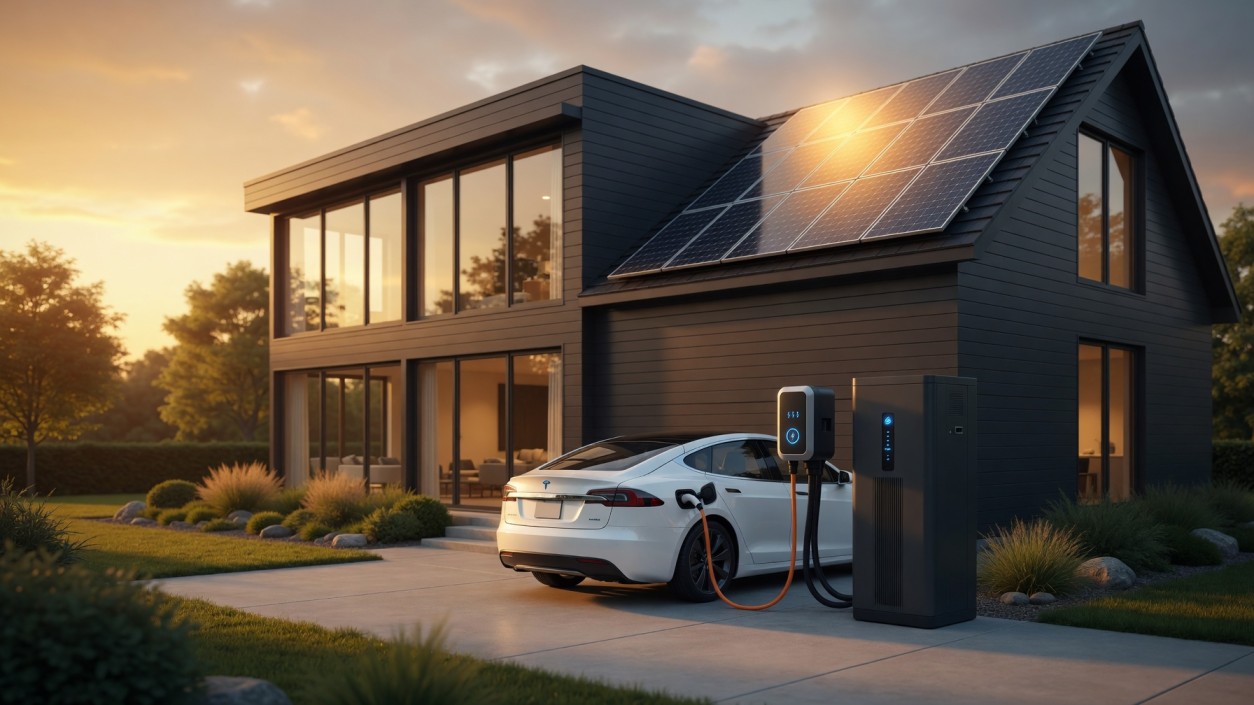
EV and Solar Integration means using solar panels installed on your home to generate electricity, which can then be used to charge your electric vehicle.
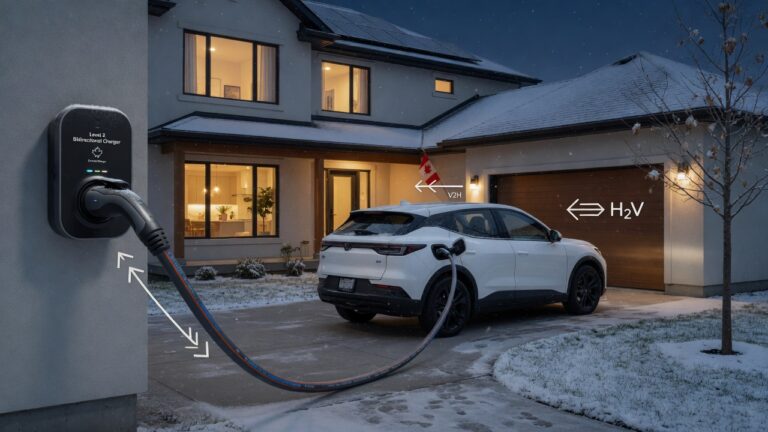
In advanced setups, some systems also allow Vehicle-to-Home (V2H) technology. This means your EV battery can also supply power back to your home during power outages or peak electricity hours.
Benefits of EV + Solar Integration in Canada
Combining solar panels with an EV offers several advantages:
- Lower Electricity Bills: You can charge your EV using free solar energy instead of paying for grid electricity.
- Energy Independence: You become less dependent on utility companies, especially during power outages (with home battery storage).
- Environmental Benefits: Both solar and EVs reduce carbon emissions.
- Potential Government Incentives: Some provinces offer rebates for solar installations and EV chargers.
- Long-term Savings: After the initial investment, the running cost of charging becomes very low.
Challenges of EV and Solar Integration in Canada
While the idea sounds good, there are some real challenges in the Canadian context:
- Winter Solar Production: Solar panels produce much less electricity during Canadian winters due to shorter days and snow coverage.
- High Initial Cost: Installing both solar panels and a home EV charger requires a significant upfront investment.
- Limited Net Metering Policies: Some provinces have weak or changing net metering rules, which reduces the financial benefit of solar.
- Battery Storage Requirement: To get maximum benefit, you often need a home battery (like Tesla Powerwall), which adds more cost.
- Cold Weather Impact on EVs: EVs already lose range in winter, so relying only on solar charging can sometimes be difficult.
Current Status of EV + Solar Integration in Canada
As of 2026, EV and solar integration is still growing but not very common yet. However, interest is increasing due to:
- Rising electricity rates in some provinces
- Improving solar panel technology
- More affordable home batteries entering the market
- Growing awareness among homeowners
Some provinces like Ontario, British Columbia, and Nova Scotia have better support for solar + EV setups compared to others.
Cost and Savings Analysis (5-Year View)
Here’s a rough cost breakdown for a typical Canadian home:
Note: The payback period can be shorter if you receive good provincial rebates or if electricity rates continue to rise.
Is It Worth It in 2026?
EV and Solar Integration can be worth it in Canada if:
- You have good roof space for solar panels
- You drive a lot and charge mostly at home
- Your province offers good solar incentives
- You plan to stay in the house for 10+ years
However, if you live in an area with low electricity rates, poor solar potential (like very cloudy regions), or plan to move in a few years, then the return on investment may not be very attractive right now.
Final Thoughts
Combining solar panels with an electric vehicle at home is a smart and sustainable idea, but it is not equally beneficial for everyone in Canada. The success of this setup heavily depends on your location, electricity rates, driving habits, and available incentives.
While the initial cost is high, many homeowners are now looking at this combination as a long-term investment — especially with rising energy prices and improving solar + battery technology.
If you are considering installing solar panels along with an EV charger, it is recommended to get quotes from multiple installers and calculate your specific payback period.
Would you like a province-wise comparison of solar + EV incentives in Canada?