2026 V2H Bidirectional Charging Canada
Canadian EV owners are no longer just thinking about charging their car — many are now asking whether their EV can charge their home during power outages, high electricity prices, or emergencies. This technology is called V2H (Vehicle-to-Home) or bidirectional charging. In 2026, it’s finally becoming practical in Canada.
Here’s the complete guide — which EVs support V2H right now, real costs, available rebates, winter performance, and an honest verdict for Canadian buyers.
What is V2H Bidirectional Charging?
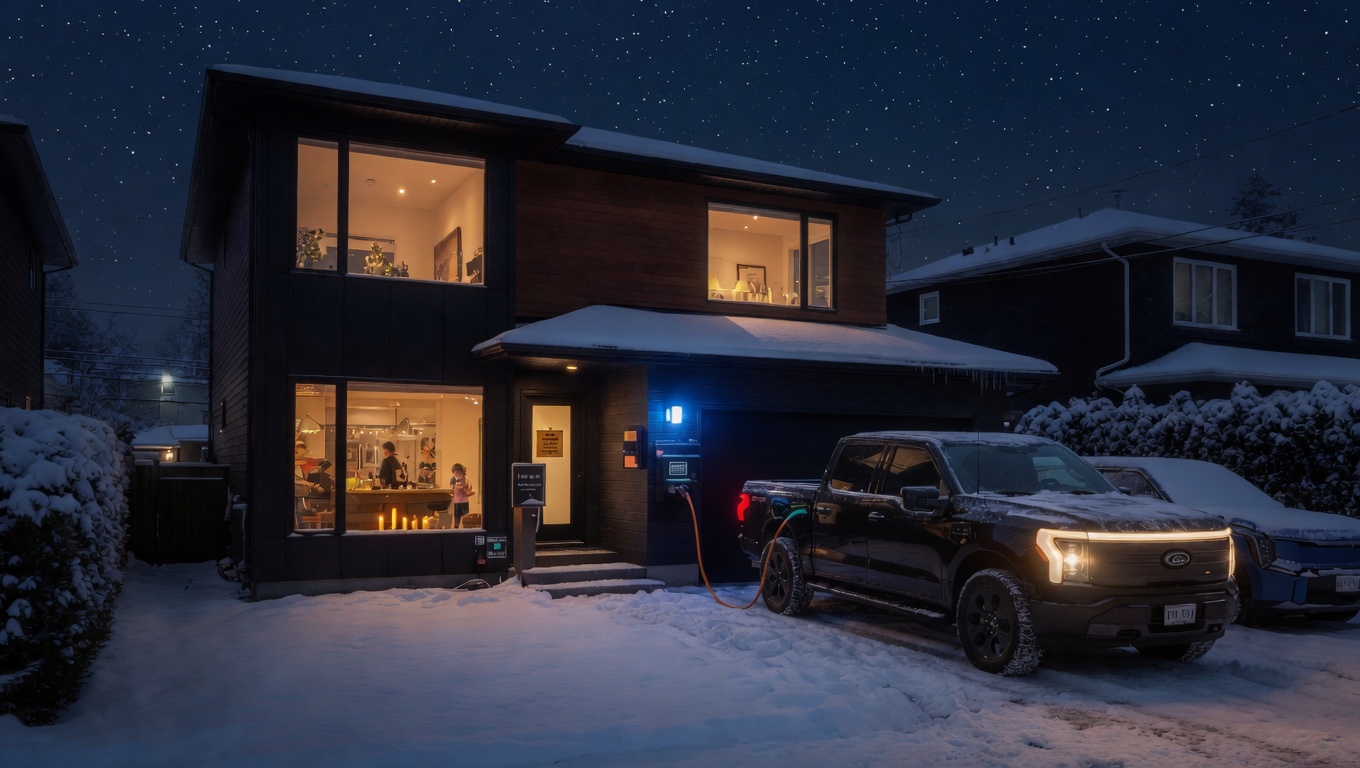
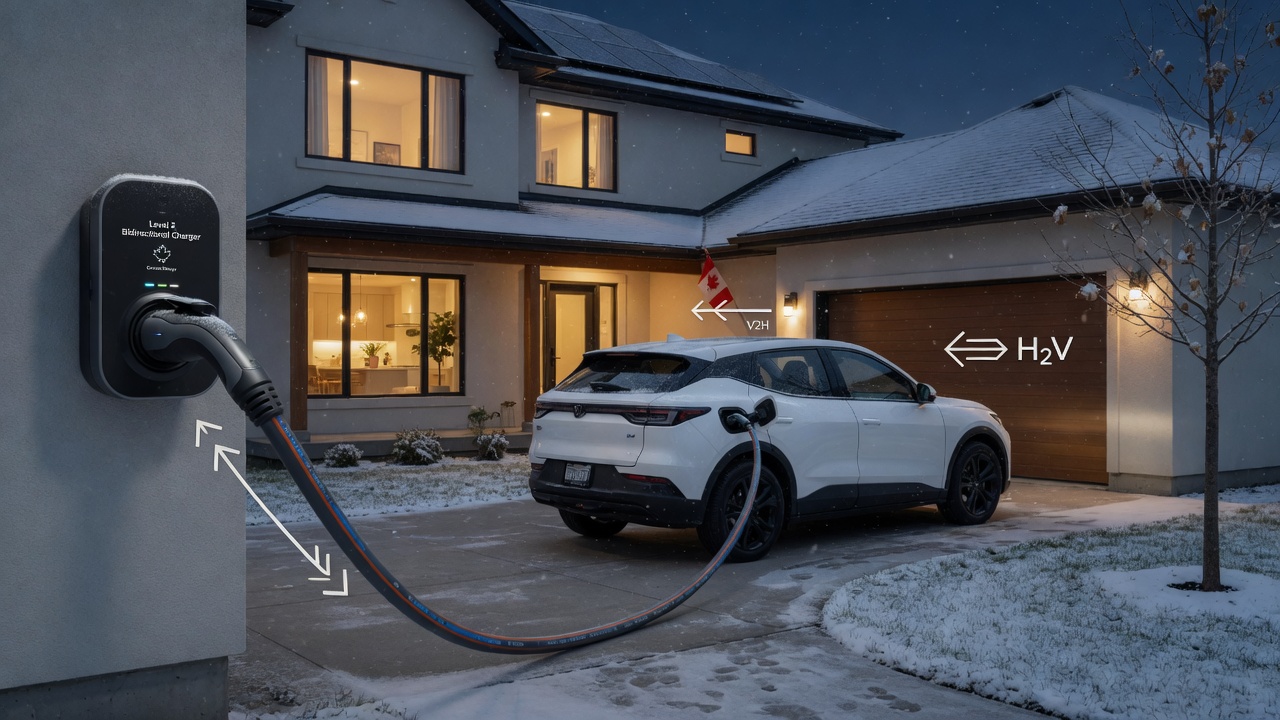
V2H allows your EV to send power back from its big battery to your home. During a blackout, you can run lights, fridge, furnace, or even the whole house for hours or days. It’s like having a giant portable power station on wheels.
In 2026, this feature is moving from “future tech” to “must-have” for many homeowners, especially in provinces with frequent storms or high electricity rates.
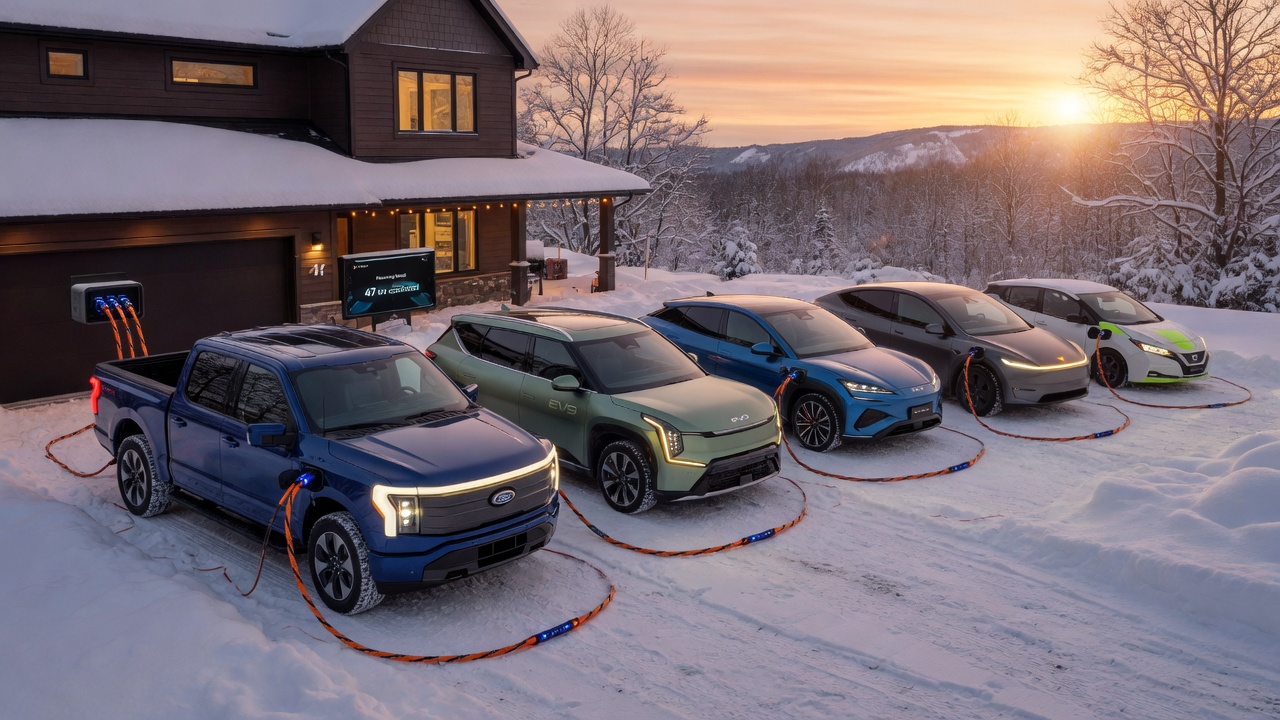
Which EVs Support V2H in Canada Right Now (2026)?
Not every EV has bidirectional capability yet. Here are the main models actually available or coming soon in Canada:
Real Installation Costs in Canada (2026)
- Basic V2H charger + installation: $2,500 – $4,500
- Full home backup setup (with transfer switch): $5,000 – $9,000
- Smart energy management system: +$800 – $1,500
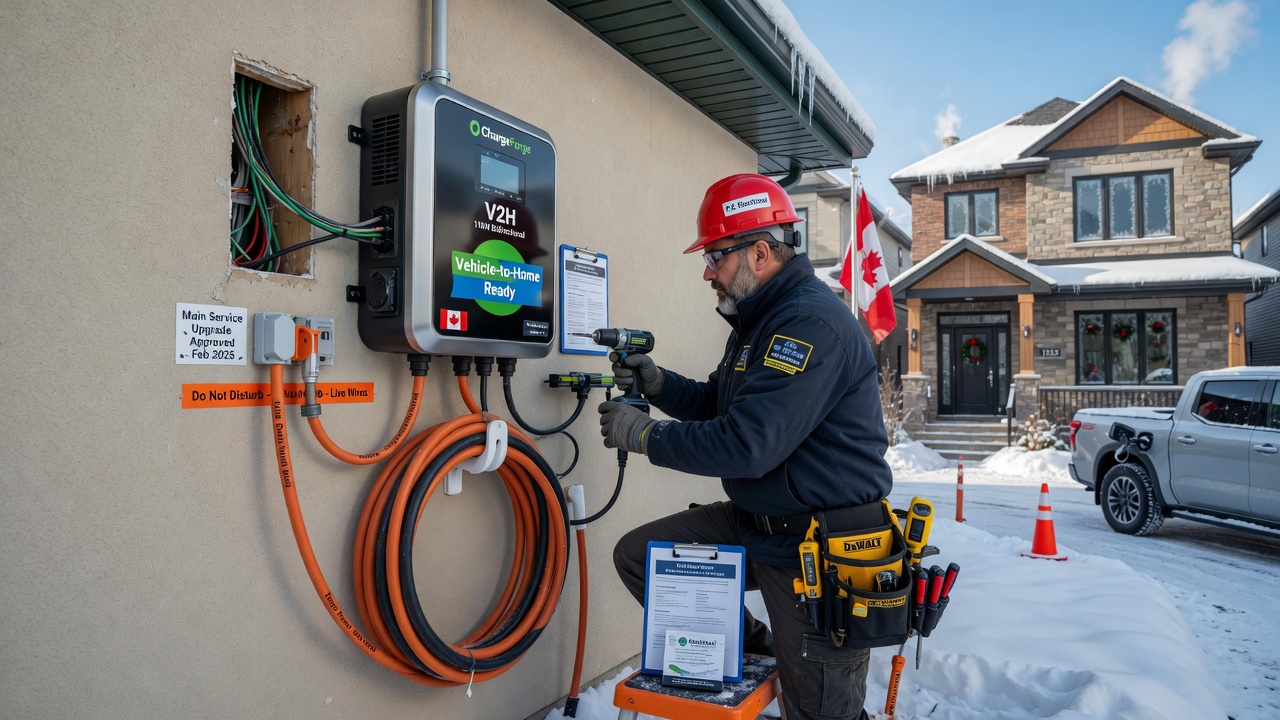
Many provinces offer charger + V2H rebates (BC, Quebec, and some utilities in Ontario). After rebates, total cost can drop to $3,000–$6,000.
Does V2H Make Sense in Canadian Winters?
Yes — but with some caveats. Modern V2H systems have excellent cold-weather performance. The EV’s battery thermal management keeps working down to -20°C or lower. You can still power essential appliances (furnace, fridge, lights) even when it’s freezing outside.
Real-world example: A Kia EV9 with 100 kWh battery can power an average Canadian home for 24–48 hours during an outage.
Pros & Cons of V2H in Canada
Pros:
- Emergency power backup during ice storms and blackouts
- Save money by using cheap off-peak electricity
- Increase home resale value
- Reduce reliance on gas generators
- Works with solar panels (future-proof)
Cons:
- High upfront cost
- Not all EVs support it yet
- Needs professional electrical work and permits
- Drains your EV’s range if used heavily
Final Honest Verdict
In 2026, V2H bidirectional charging is one of the smartest upgrades a Canadian EV owner can make — especially if you live in areas with frequent power outages (Ontario, Quebec, Atlantic provinces) or high electricity prices.
If you’re buying a new EV and want real peace of mind plus long-term savings, go for a Ford F-150 Lightning or Kia EV9 with native V2H support. For existing EV owners, it’s worth waiting 6–12 months as more affordable bidirectional chargers launch.
Would you install V2H on your EV? Or are you waiting for prices to drop further? Drop your thoughts in the comments below!
Related Reads: