Pros and Cons of Chinese EVs Coming to Canada
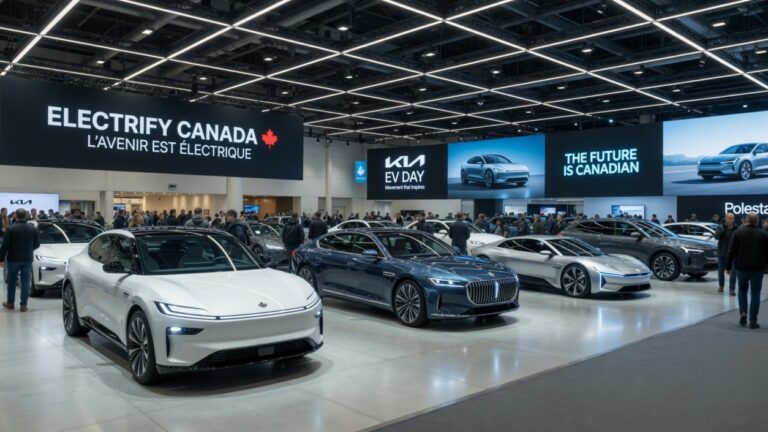
Chinese electric vehicles are beginning to enter the Canadian market in a meaningful way in 2026. After years of high tariffs, Canada reduced the duty on Chinese-built EVs to 6.1% under a limited annual quota of 49,000 vehicles. This change has sparked strong debate among buyers, industry groups, and policymakers.
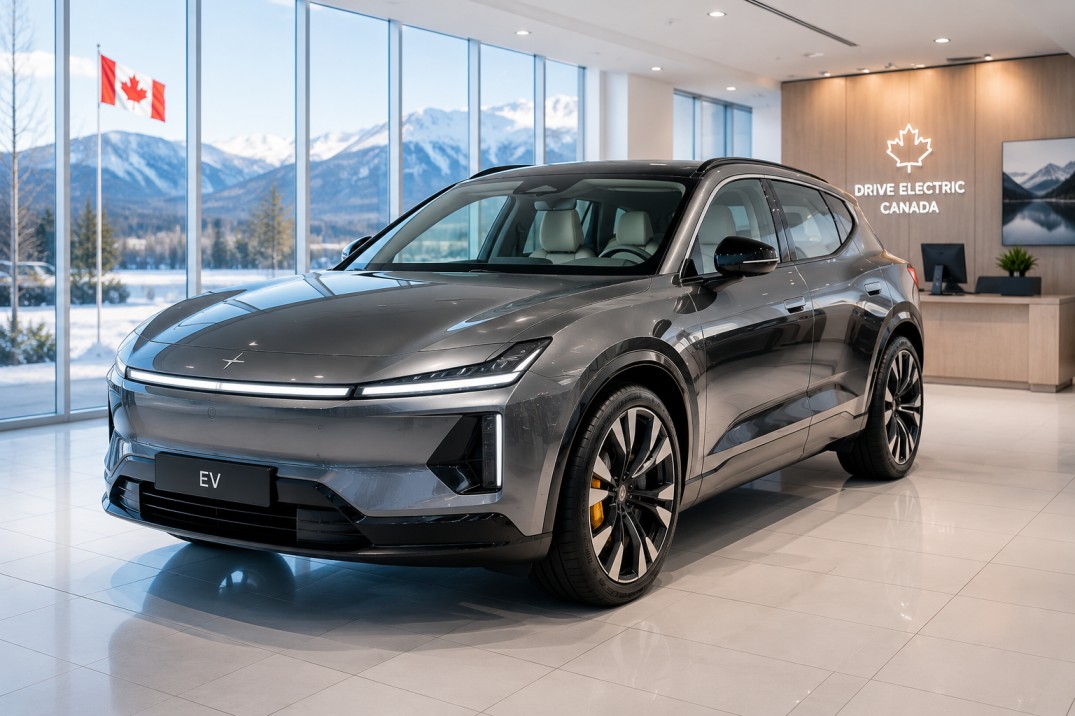
Here is a clear look at the main pros and cons of Chinese EVs Canada in the current market.
Pros of Chinese EVs in Canada
1. Lower Prices and More Affordable Options
One of the biggest advantages is price. Many Chinese EVs are expected to cost significantly less than comparable North American or European models. Some compact models could land in the $30,000–$40,000 range, which is well below the typical starting price of most EVs currently sold in Canada. Over time, the quota is designed to increase the share of vehicles priced under $35,000.
2. Greater Choice for Buyers
Canadian shoppers have long had limited affordable EV options. Chinese brands such as BYD, Chery, Zeekr, and others bring new designs, features, and technology. This increased competition can push all manufacturers to improve pricing and product offerings.
3. Advanced Technology at Competitive Prices
Many Chinese EVs offer strong battery technology (especially LFP batteries), fast charging, modern interiors, and advanced driver-assistance systems at price points that were previously hard to find in Canada.
4. Potential Price Pressure Across the Market
Even buyers who do not purchase a Chinese EV may benefit. Increased competition often forces other brands to lower prices or offer better deals on their own electric models.
Cons of Chinese EVs in Canada
1. No Federal Rebate Eligibility
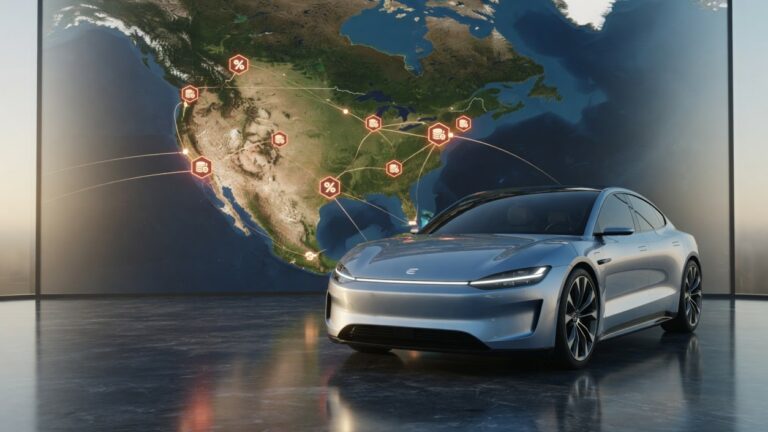
Chinese-built EVs do not qualify for the federal Electric Vehicle Affordability Program (EVAP). Buyers miss out on the $5,000 incentive available for eligible vehicles made in Canada or free-trade partner countries. This reduces the effective price advantage.
2. Limited Service Network and Parts Availability
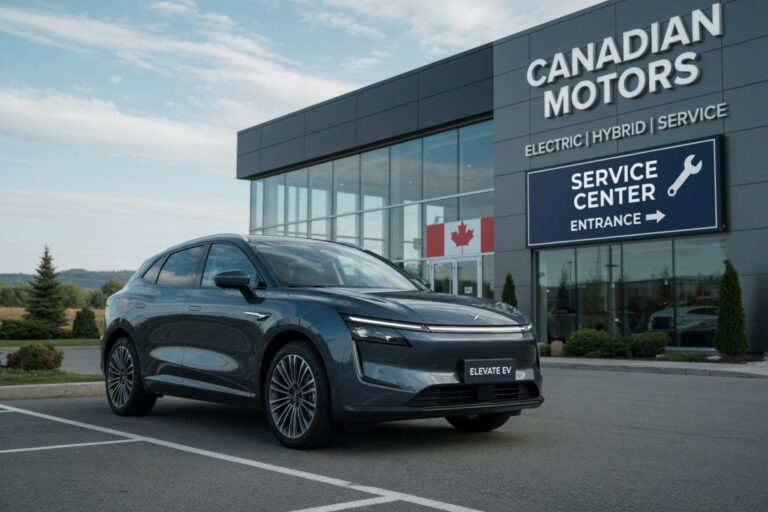
Most Chinese brands are still building their dealer and service networks in Canada. Early buyers may face longer waits for service, fewer locations, and potential delays in getting parts compared with established brands.
3. Concerns About Long-Term Support and Resale
Questions remain about long-term warranty support, software updates, and future resale value. Until these brands establish a strong presence, some buyers remain cautious about ownership beyond the first few years.
4. Impact on Canadian Auto Jobs and Industry
Labour groups and some industry leaders worry that low-cost imports could reduce demand for vehicles built in Canada or by traditional North American manufacturers. This could affect jobs in the domestic auto sector over time.
5. Data and Security Questions
Some experts raise concerns about data privacy and the potential for connected vehicles to share information with Chinese authorities, given China’s national security laws. This remains a debated issue with limited clear regulation so far.
Current Market Reality in 2026
So far, a large portion of the early quota has been filled by Tesla vehicles built in Shanghai rather than brands owned by Chinese companies. True Chinese brands such as BYD are preparing dealer networks, with broader availability expected later in 2026 and into 2027. The first Chinese-owned model to go on sale was a high-end Lotus, showing that not all incoming vehicles will be budget models right away.
Final Thoughts
Chinese EVs Canada bring both opportunity and risk. For buyers focused on price and technology, they offer a promising new option. For those who prioritize established service networks, federal rebates, and long-term brand confidence, traditional EVs may still feel safer in 2026.
As more models arrive and dealer networks expand, the real impact on prices, competition, and consumer choice will become clearer. Canadian buyers should weigh the lower sticker price against the lack of federal incentives, service coverage, and long-term ownership factors before deciding.