Touchscreens increasing driver distraction, 2026 test finds
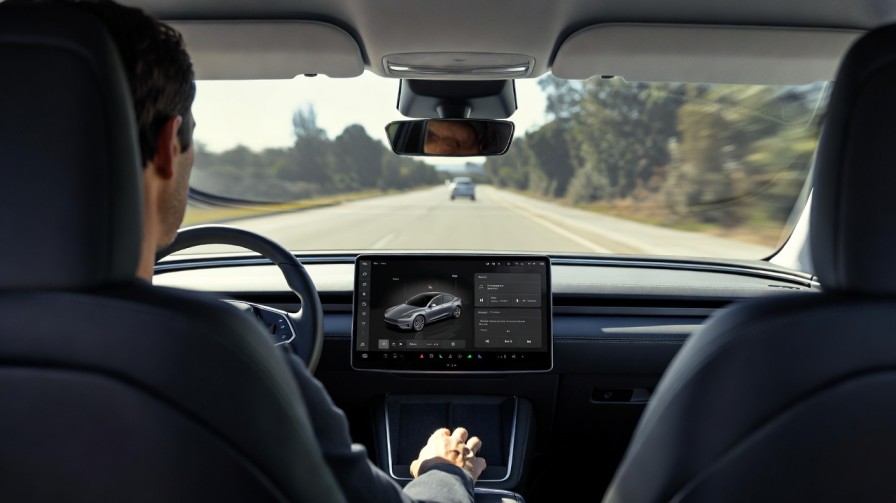
A new test says touchscreens increasing driver distraction is getting worse, not better. Swedish outlet Vi Bilägare repeated a 2022 study in 2026 with 10 vehicles. Drivers learned each system first, then completed common tasks at highway speed on a closed airstrip. The jobs included changing radio stations, adjusting climate settings, and changing screen brightness.
What the touchscreens increasing driver distraction test found
On average, drivers had their eyes partly off the road for 813 metres. That is about 2,667 feet. In 2022, the average was 756 metres. The extra distance equals about two more seconds of distraction.
At 110 km/h, a typical stopping distance in good conditions is about 113 metres. That makes the extra screen time a real safety concern.
Among North American models in the test, the Mercedes-Benz CLA was worst at 1,116 metres. The Toyota Corolla Cross followed at 1,024 metres. The BYD Seal U, which may reach Canada under new Chinese EV tariff rules, measured 819 metres.
The Volvo XC60 was best among the tested cars at 485 metres. Testers said its clear graphics and easy-to-reach functions helped, even though the screen is portrait-style.
Gloves, buttons, and layout
Only Volvo and Mercedes-Benz screens worked well with thick gloves. That matters for Canadian winters.
Buttons are not always safer. A 2005 Volvo V70 with large physical controls needed just 306 metres in the earlier test. A 2016 Volvo V60 with smaller buttons and menus needed 863 metres. That was worse than the newer XC60 touchscreen.
The study’s main conclusion is simple. Layout matters more than screen versus buttons. Bigger screens do not automatically make cars safer. Execution does.
For more Canadian driving coverage, see NextEV news and our EV reviews.
Touchscreens increasing driver distraction remains a live issue for new EVs and gas cars alike. High-mounted screens and well-placed controls can help. Buried menus still pull eyes off the road.