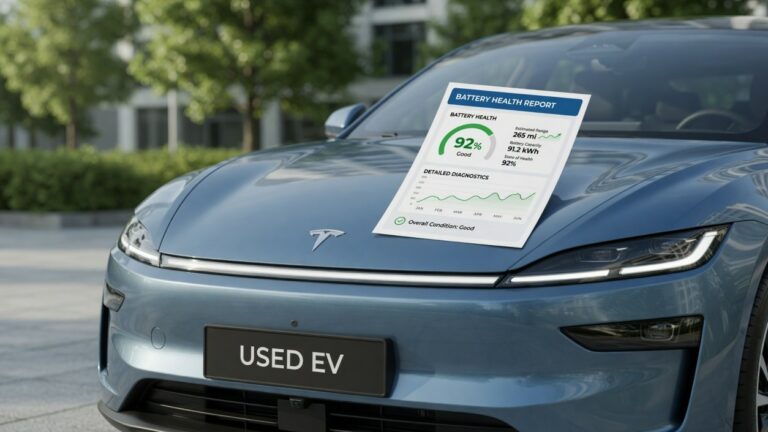
Battery Preconditioning in EVs: Why It Matters in Canadian Winters
Electric vehicles perform differently in cold weather compared to gas-powered cars. One important feature that helps EVs handle Canadian winters better is battery preconditioning. This feature prepares the battery for optimal performance before driving or charging. In this article, we will explain what battery preconditioning is and why it is very important for EV owners in Canada.
What is Battery Preconditioning?
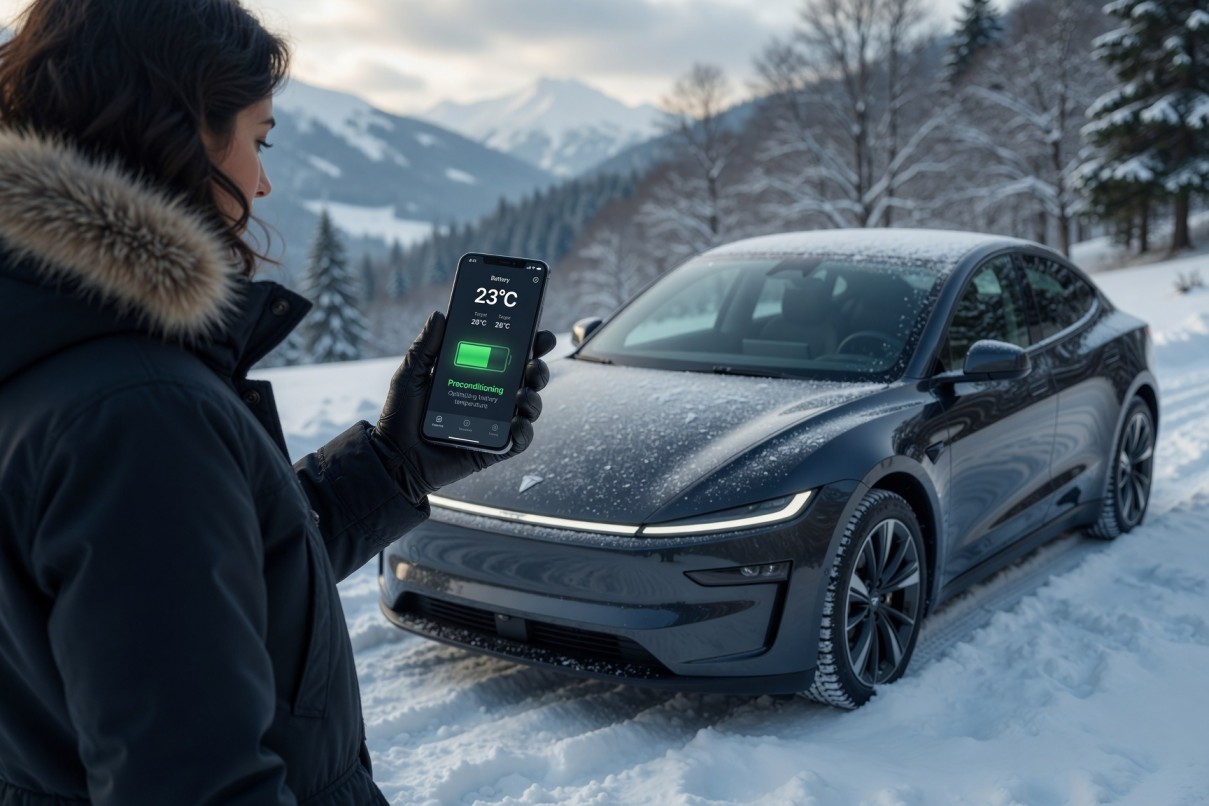
Battery preconditioning is a process where the electric vehicle warms up or cools down the battery to an ideal temperature before driving or fast charging. This helps the battery deliver better performance, especially in extreme temperatures.
Most modern electric vehicles, such as Tesla, Hyundai, Kia, BMW, and Ford models, come with some form of battery preconditioning system.
Why Battery Preconditioning Matters in Winter
Cold weather has a negative impact on EV batteries. When the temperature drops, the battery becomes less efficient. Here’s why preconditioning becomes very important in Canadian winters:
- Cold batteries deliver less power
- Charging speed becomes much slower in low temperatures
- The vehicle loses more range in winter
- Battery health can be affected over time if not managed properly
Battery preconditioning helps reduce these problems by bringing the battery to an optimal temperature before use.
How Battery Preconditioning Works
When you use navigation to go to a fast charger or set a departure time, many EVs automatically start preconditioning the battery. The car uses energy from the battery or charger to warm it up. This process usually starts 30 to 60 minutes before departure or charging.
Some vehicles also allow manual preconditioning through the mobile app or in-car settings.
Benefits of Battery Preconditioning in Canadian Winters
Battery preconditioning offers several important benefits, especially in cold Canadian climates:
- Faster Charging: A warm battery can accept faster charging speeds at DC fast chargers.
- Better Range: Preconditioning helps maintain better driving range in winter.
- Improved Performance: The vehicle can deliver full power without restrictions.
- Battery Health Protection: It reduces stress on the battery during cold weather operation.
- More Reliable Winter Driving: Drivers face fewer issues related to low battery performance.
Impact on Range and Charging
Without preconditioning, EVs can lose 30% to 50% of their range in very cold weather. Charging can also become 2 to 3 times slower. With proper preconditioning, drivers can recover a significant portion of lost range and enjoy much faster charging times.
This is especially useful for Canadians who frequently drive on highways or take long trips during winter.
EVs with Good Battery Preconditioning Systems
Some electric vehicles are known for having strong battery preconditioning systems:
- Tesla (Model Y, Model 3, Model S, Model X) – Excellent preconditioning through navigation
- Hyundai Ioniq 5 and Kia EV6 – Very effective preconditioning features
- BMW i4 and iX – Good thermal management systems
- Ford Mustang Mach-E – Supports scheduled preconditioning
- Lucid Air – Advanced battery thermal management
These vehicles generally perform better in Canadian winters compared to EVs with weaker preconditioning systems.
How to Use Battery Preconditioning Effectively
Here are some tips to get the best results from battery preconditioning:
- Use the car’s navigation to a fast charger so it preconditions automatically.
- Set a departure time in the vehicle or mobile app.
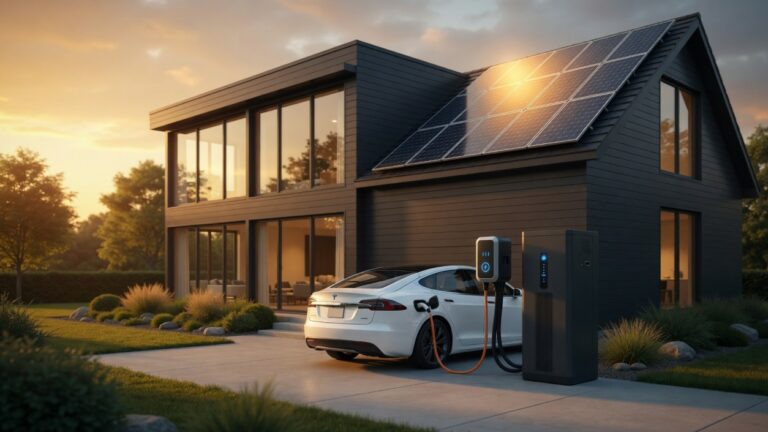
- Park the car plugged in when possible so it uses grid power instead of battery power for preconditioning.
- Avoid using strong cabin heating before the battery is preconditioned.
Final Thoughts
Battery preconditioning is one of the most useful features in modern electric vehicles, especially for drivers in cold countries like Canada. It helps improve range, charging speed, performance, and long-term battery health during winter.
While not all EVs have equally strong preconditioning systems, understanding how to use this feature properly can make a big difference in winter driving experience. As more advanced EVs enter the Canadian market, battery preconditioning will continue to play an important role in making electric vehicles more practical for year-round use.
Would you like to know which EVs currently offer the best battery preconditioning performance in Canadian winters?