EV Charging Solutions for Apartment Buildings in Canada
As electric vehicle adoption continues to grow across Canada, one major challenge remains — EV charging in apartment buildings. While many single-family homes can easily install home chargers, residents living in condos, apartments, and multi-unit buildings often face significant barriers. In this article, we will explore the current situation, available solutions, and what building owners and residents can do to improve EV charging access.
Why EV Charging in Apartments is a Big Challenge
Canada has seen strong growth in electric vehicle sales in recent years. However, a large portion of the population lives in multi-unit residential buildings. These buildings often lack the electrical infrastructure and parking setup needed to support EV charging. Many older buildings were not designed with electric vehicles in mind, which creates technical and financial difficulties.
As a result, many EV owners living in apartments either cannot charge at home or have to rely on public charging stations, which can be inconvenient and more expensive.
Current Challenges in Apartment Buildings
Several key challenges make EV charging difficult in Canadian apartment buildings:
- Limited electrical capacity in older buildings
- High cost of upgrading electrical systems
- Lack of dedicated parking spots for EV charging
- Complex decision-making process among condo boards and owners
- Uncertainty about who should pay for installation and maintenance
- Limited awareness among property managers about available solutions
These challenges have slowed down EV adoption among people living in multi-unit buildings.
Available EV Charging Solutions for Apartments
Despite the challenges, several practical solutions now exist for apartment buildings in Canada. These solutions vary depending on the building’s age, electrical capacity, and budget.
1. Level 2 Charging Stations
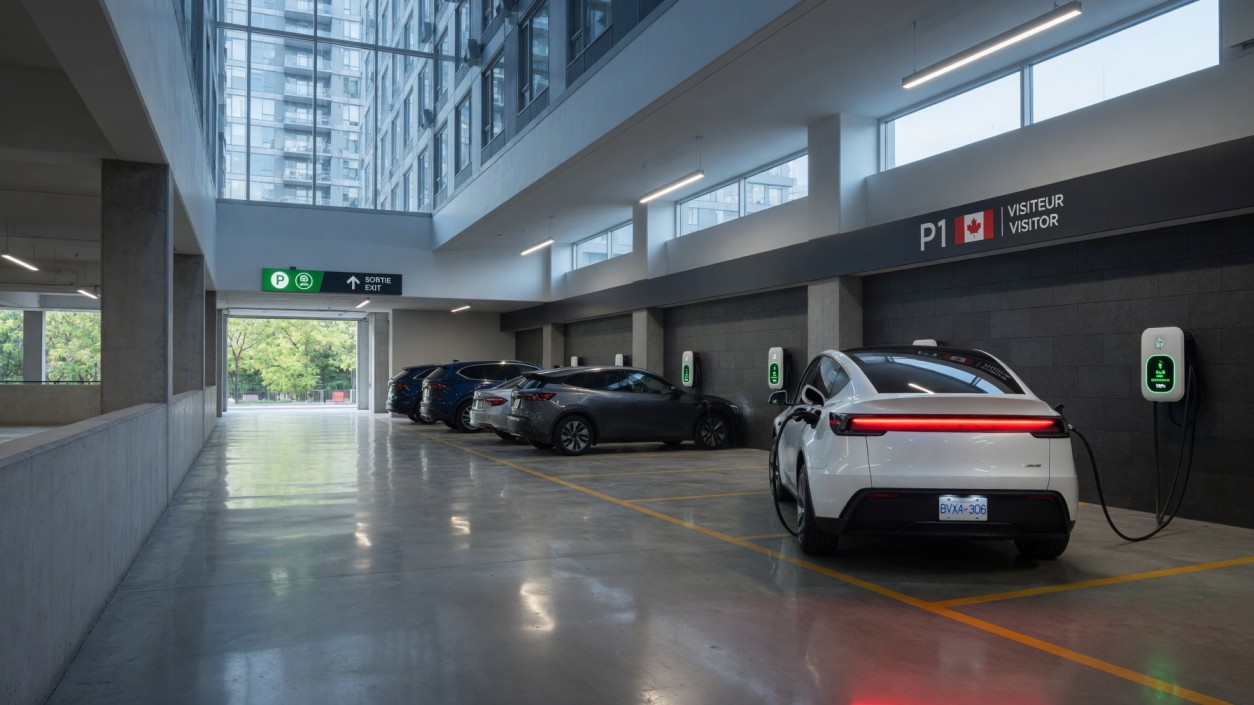
Level 2 chargers are the most common solution for apartment buildings. They provide faster charging than standard outlets and can be installed in parking garages or outdoor parking areas. Many buildings are now installing shared Level 2 chargers that residents can access using a mobile app or key card.
2. Individual Home Charging
Some newer apartment buildings are now offering individual EV charging capability for each parking spot. This allows residents to install their own charger and pay for their own electricity usage. While this option is more convenient, it requires significant electrical upgrades and is usually more expensive to implement.
3. Load Management Systems
Load management technology helps buildings manage electricity demand when multiple EVs are charging at the same time. This system prevents the building’s electrical system from becoming overloaded and can reduce the need for expensive electrical upgrades. Many modern solutions now include smart load management features.
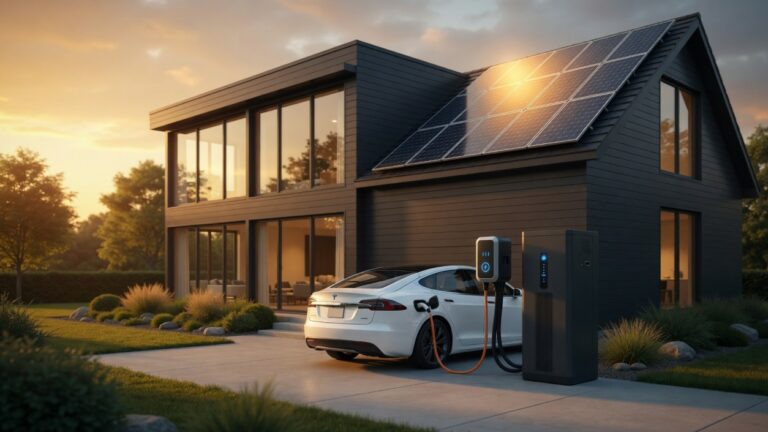
4. Solar-Powered EV Charging
Some buildings are exploring solar-powered EV charging as a sustainable option. While this requires significant upfront investment, it can reduce long-term electricity costs and support the building’s environmental goals.
5. Partnerships with Charging Companies
Many apartment buildings are now partnering with third-party EV charging companies. These companies install, maintain, and operate the charging stations, while residents pay per use or through a subscription. This model reduces the financial burden on building owners.
What Should Building Owners and Condo Boards Do?
Building owners and condo boards play a critical role in enabling EV charging. Here are some recommended steps:
- Conduct an electrical assessment of the building to understand current capacity.
- Engage with EV charging solution providers to explore available options.
- Develop a clear policy for EV charging installation and usage.
- Consider applying for government grants or incentives that support EV infrastructure.
- Communicate with residents to understand demand and build consensus.
Taking these steps can help buildings prepare for the growing number of EV owners.
Government Support and Incentives
The Canadian government and several provinces now offer support for EV charging infrastructure in multi-unit buildings. Some programs provide funding for installation, while others offer technical guidance. Building owners should check with their provincial government and local utility companies to explore available incentives.
Final Thoughts
EV charging in apartment buildings remains one of the biggest barriers to wider electric vehicle adoption in Canada. While challenges exist, practical solutions are now available through Level 2 charging, load management systems, and partnerships with charging providers. Building owners who take proactive steps today will be better positioned to meet the needs of current and future EV-owning residents.
As more Canadians choose electric vehicles, the demand for charging infrastructure in multi-unit buildings will continue to grow. Addressing this issue is essential for making EV ownership accessible to everyone, not just those living in single-family homes.