Vehicle-to-Grid (V2G) Technology in Canada: Future or Reality?
As electric vehicles become more common in Canada, a new technology called Vehicle-to-Grid (V2G) is gaining attention. V2G allows electric cars to not only take electricity from the grid but also send power back to it when needed.
This technology has the potential to support Canada’s electricity grid, especially during peak demand and when integrating more renewable energy sources. But the big question remains: Is V2G technology in Canada a future concept or is it becoming a reality in 2026?
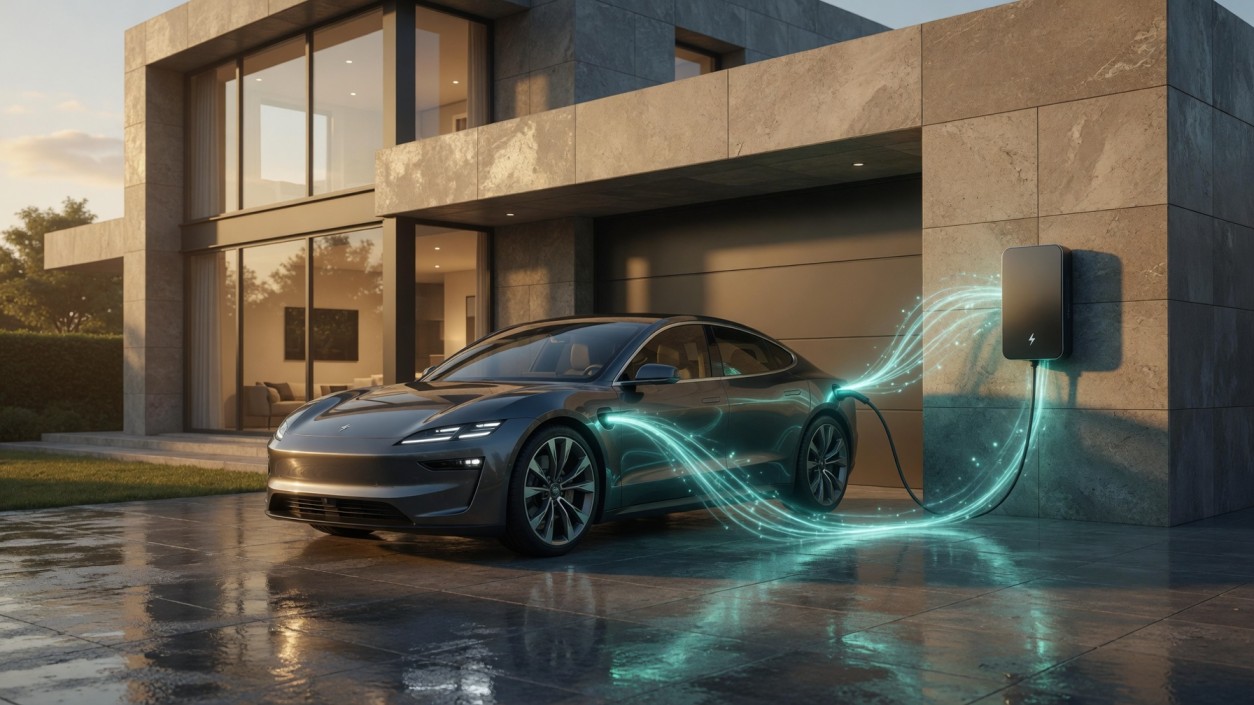
In this article, we will explore what V2G is, its current status in Canada, the benefits, challenges, and whether it is ready for wider adoption.
What is Vehicle-to-Grid (V2G) Technology?
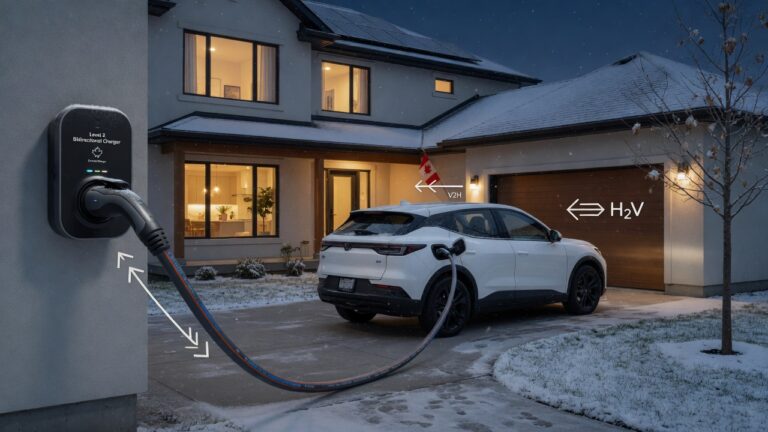
Vehicle-to-Grid (V2G) is a technology that enables electric vehicles to communicate with the power grid and return electricity when required. Instead of only charging from the grid, EVs with V2G capability can discharge stored energy back into the grid during peak hours or emergencies.
This two-way flow of electricity can help balance supply and demand, reduce pressure on the grid, and support the use of renewable energy sources like wind and solar.
Current Status of V2G in Canada
As of 2026, V2G technology in Canada is still in the early stages. While there is growing interest from utilities and researchers, large-scale commercial use is not yet widespread.
Some pilot projects and research initiatives have been launched in different provinces, but most are still in the testing phase. Canada does not yet have a strong regulatory framework or widespread V2G-ready vehicles and chargers to support mass adoption.
Benefits of V2G Technology for Canada
V2G technology can offer several advantages if implemented properly:
- Grid Stability: EVs can supply power during peak demand hours, reducing the need for expensive backup power plants.
- Renewable Energy Support: V2G can help store excess renewable energy (from wind and solar) and release it when needed.
- Cost Savings for EV Owners: Owners may earn money or credits by allowing their vehicle to supply power back to the grid.
- Emergency Backup Power: In case of power outages, V2G-enabled vehicles can provide electricity to homes or critical facilities.
- Reduced Carbon Emissions: Better use of renewable energy can help Canada meet its climate goals.
Challenges and Barriers in Canada
Despite the benefits, there are several challenges slowing down V2G adoption in Canada:
- Limited V2G-Ready Vehicles: Most electric vehicles currently sold in Canada do not support two-way charging.
- Lack of Infrastructure: Very few public chargers in Canada currently support V2G functionality.
- Regulatory and Policy Gaps: Clear rules regarding payment, grid connection, and data privacy are still missing in most provinces.
- Battery Degradation Concerns: Some EV owners worry that frequent charging and discharging may reduce battery life.
- High Initial Costs: Setting up V2G systems can be expensive for both utilities and consumers.
Pilot Projects and Research in Canada
Although V2G is not widely available yet, some promising initiatives are underway:
- Hydro-Québec has been involved in V2G research and pilot projects to test how electric vehicles can support the grid.
- Ontario has seen some small-scale V2G trials, especially with commercial fleets.
- British Columbia and Nova Scotia have also explored V2G as part of their clean energy strategies.
- Several Canadian universities and research organizations are studying the technical and economic feasibility of V2G.
These projects show that there is interest, but large-scale implementation is still a few years away.
Future Outlook: Future or Reality?
Vehicle-to-Grid technology in Canada is currently more of a future possibility than a present reality. While pilot projects and research are progressing, several important steps are still needed before V2G becomes widely available:
- More vehicle manufacturers need to produce V2G-capable electric vehicles.
- Charging infrastructure must be upgraded to support two-way power flow.
- Clear government policies and regulations are required.
- Public awareness and trust in the technology need to improve.
If these challenges are addressed over the next 4–6 years, V2G could become a meaningful part of Canada’s clean energy transition by 2030–2032.
Final Thoughts
V2G technology has strong potential to support Canada’s electricity grid and help integrate more renewable energy. However, in 2026, it remains mostly in the research and pilot stage rather than being a practical option for most Canadians.
For now, V2G is an exciting future technology rather than a ready-to-use solution. Its success in Canada will depend on collaboration between government, utilities, automakers, and consumers.
As more electric vehicles hit Canadian roads and technology improves, Vehicle-to-Grid could move from being a future concept to a real part of Canada’s energy system.
Would you like to know which EV models currently support V2G technology or how V2G could benefit EV owners financially in the future?