Tesla Cybercab Canada 2027: Robotaxi Launch, Price, Features & What It Means for Canadians
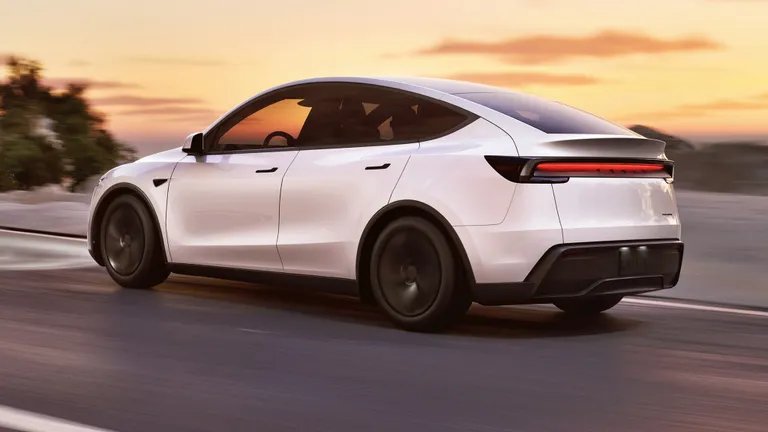
Tesla’s Cybercab (also known as Robotaxi) is one of the most talked-about future vehicles in the EV world. Unveiled in late 2024, this fully autonomous, steer-by-wire vehicle without a steering wheel or pedals is designed to revolutionize ride-hailing. As we move through 2026, many Canadians are asking the same question: When will the Tesla Cybercab come to Canada, and what will it mean for our roads, jobs, and daily commute?
Here’s a detailed, up-to-date analysis based on Tesla’s announcements, regulatory realities in Canada, and what experts are predicting for 2027 and beyond.
What is Tesla Cybercab?
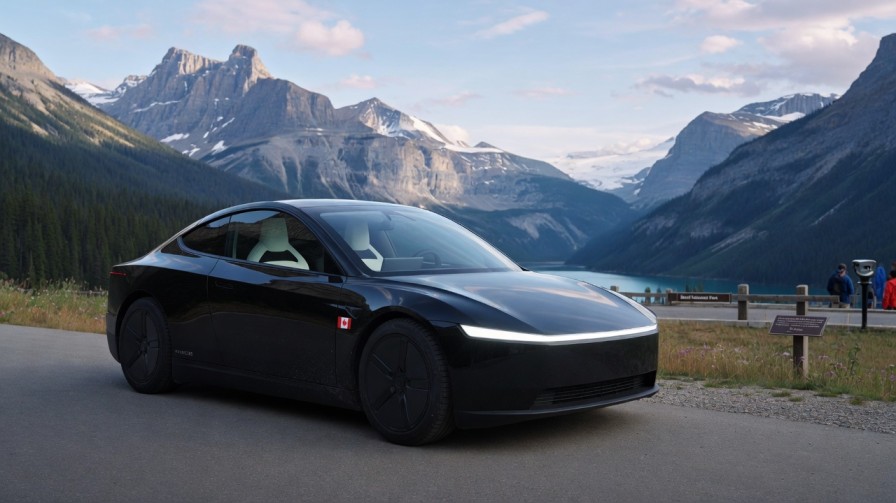
The Cybercab is Tesla’s purpose-built autonomous vehicle. Unlike current Teslas that still have steering wheels for safety, the Cybercab is designed from the ground up for unsupervised Full Self-Driving (FSD). It features:
- No steering wheel or pedals
- Two passenger seats
- Front and rear falcon-wing style doors
- Sleek, futuristic design
- Expected production cost under $30,000 USD
Tesla aims to use these vehicles in its own ride-hailing network, where owners can add their Cybercab to Tesla’s fleet and earn passive income when not in use.
Expected Specifications & Features
Here’s what we know so far about the Cybercab:
When Will Tesla Cybercab Launch in Canada?
This is the biggest question for Canadian buyers and investors. Here’s the current realistic timeline:
- Unsupervised FSD: Tesla is still working on regulatory approval in the U.S. Canada usually follows 1–2 years behind.
- Cybercab Production: Tesla aims to begin production in 2026–2027 in the United States.
- Canada Launch: Most analysts predict 2028–2029 for actual Robotaxi operations in Canada.
- Regulatory Hurdle: Each province has different rules for autonomous vehicles. Ontario and Quebec are more progressive, while other provinces are still developing frameworks.
How Cybercab Could Change Transportation in Canada
If Tesla successfully brings Robotaxi to Canada, it could significantly impact:
- Ride-hailing: Cheaper and more efficient than Uber/Lyft in many cities
- Car Ownership: Many urban Canadians might skip buying a car
- Public Transport: Could complement or compete with buses and trains in smaller cities
- Jobs: Potential disruption for taxi and delivery drivers
- EV Adoption: Could accelerate the shift to electric vehicles through shared fleets
Pros & Cons of Tesla Cybercab in Canada
Pros:
- Extremely low operating cost per ride (no driver)
- 24/7 availability in theory
- Tesla’s Supercharger network advantage
- Potential passive income for Cybercab owners
- Major step toward fully autonomous transportation
Cons:
- Regulatory approval in Canada will take time
- Harsh Canadian winters may challenge sensors and autonomous systems
- Job losses in transportation sector
- Public trust in fully driverless vehicles is still low
- High initial cost for early adopters who want to buy one
Final Honest Verdict
The Tesla Cybercab represents the future of mobility, but Canada is still a few years away from seeing it on the roads in meaningful numbers. While Tesla is moving fast in the U.S., Canadian regulations, winter conditions, and infrastructure readiness mean a realistic launch is more likely in 2028 or later.
For now, it remains an exciting concept that could completely change how Canadians move around cities — but it’s not something you’ll be able to experience or buy in the next 12–18 months.
If you’re interested in autonomous vehicles and the future of transportation in Canada, the Cybercab is definitely worth watching closely over the next two years.
Do you think Canadians are ready for fully driverless Robotaxis? Share your thoughts in the comments below — especially if you live in a major city like Toronto, Vancouver, or Montreal.