How AI is Changing Electric Vehicles in 2026
Artificial Intelligence (AI) is no longer just a buzzword in the automotive industry. In 2026, AI is actively changing how electric vehicles (EVs) are designed, driven, maintained, and experienced. From self-driving capabilities to smart battery management, AI is playing a central role in making EVs more efficient, safer, and user-friendly.
In this article, we will explore the major ways AI is transforming electric vehicles in 2026, with real examples and practical impacts.
1. AI in Autonomous Driving and Driver Assistance
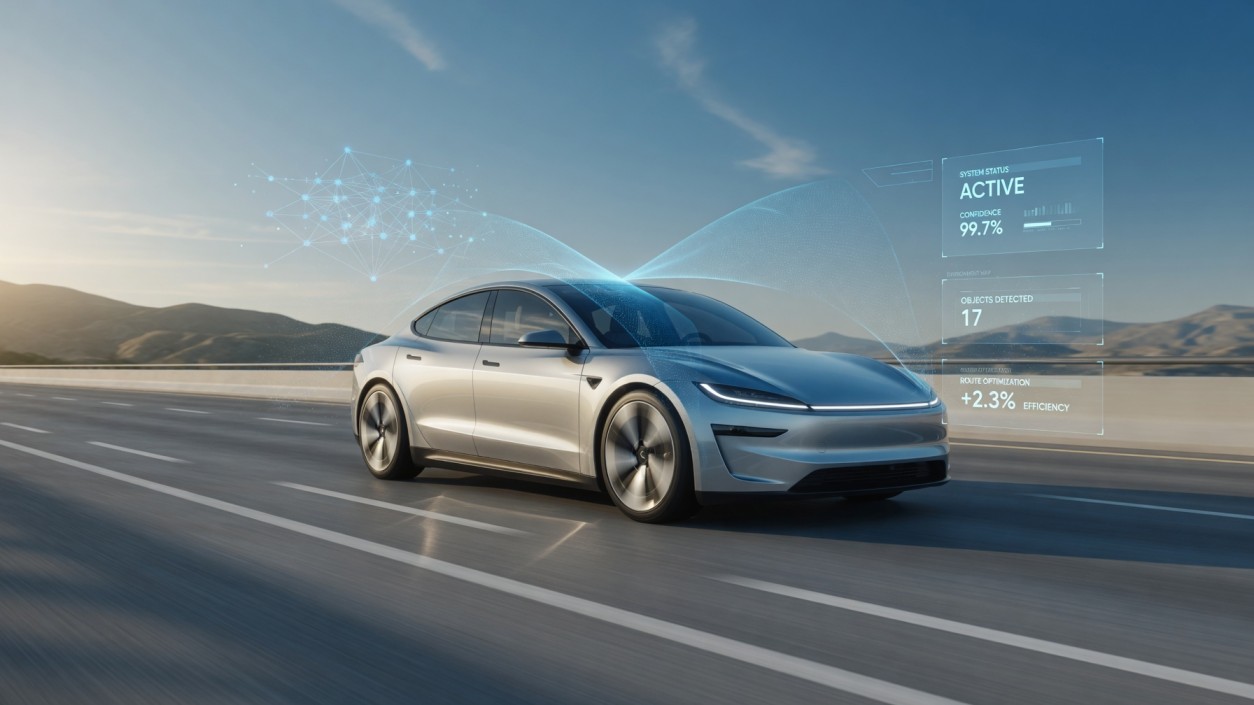
One of the biggest areas where AI is making an impact is autonomous driving. In 2026, many electric vehicles are equipped with advanced AI-powered driver assistance systems.
- Tesla’s Full Self-Driving (FSD) uses deep learning and neural networks to improve its self-driving capabilities with every mile driven.
- GM’s Super Cruise and Ford’s BlueCruise use AI to allow hands-free driving on mapped highways.
- AI helps these systems understand road conditions, predict other drivers’ behavior, and make real-time decisions.
While fully autonomous driving (Level 5) is still not widely available, AI has significantly improved Level 2 and Level 3 autonomy in 2026.
2. AI for Battery Management and Optimization
AI is also being used to improve battery performance and longevity. Modern EVs use AI algorithms to:
- Predict battery degradation over time
- Optimize charging patterns based on driving habits
- Manage temperature control more efficiently
- Extend battery life by avoiding stress on cells
For example, some newer EVs can now learn when and how a driver usually charges and adjust the charging speed accordingly to preserve battery health.
3. AI in Energy Management and Smart Charging
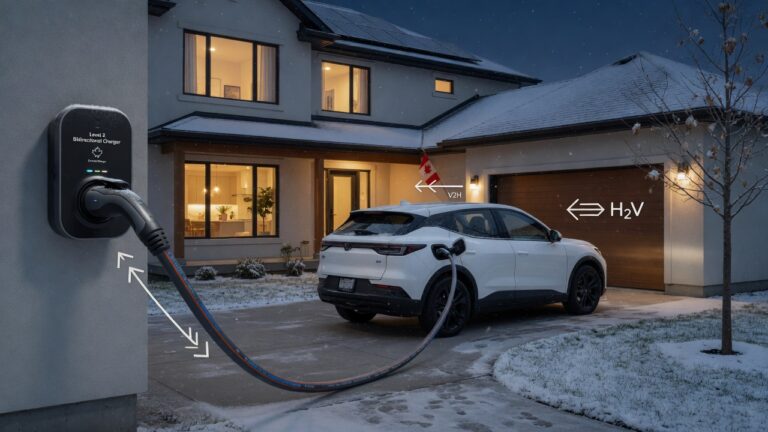
AI helps EVs interact intelligently with the power grid and home energy systems. This is especially useful in Canada, where electricity rates and demand can vary.
Key developments include:
- Smart Charging: AI can charge the vehicle when electricity rates are lowest.
- Vehicle-to-Grid (V2G): AI helps manage when an EV should send power back to the grid.
- Home Energy Integration: AI systems can balance power between solar panels, home batteries, and EV charging.
This makes EV ownership more cost-effective and grid-friendly.
4. Predictive Maintenance Using AI
AI is helping reduce unexpected breakdowns through predictive maintenance. Instead of waiting for a part to fail, AI can now predict potential issues before they happen.
Modern EVs use sensors and AI to monitor:
- Brake systems
- Battery health
- Motor performance
- Suspension and tires
This allows service centers to fix problems early, reducing repair costs and improving vehicle reliability.
5. AI for Personalization and User Experience
In 2026, many electric vehicles use AI to create a more personalized driving experience. Examples include:
- AI adjusting seat position, temperature, and driving mode based on who is driving.
- Voice assistants becoming more natural and context-aware (similar to advanced versions of Siri or Google Assistant).
- Route suggestions that consider charging stops, traffic, weather, and even the driver’s habits.
This level of personalization was not common in earlier EVs but is becoming standard in newer models.
6. AI in EV Manufacturing and Design
AI is not only changing how we drive EVs but also how they are built. Car manufacturers are using AI in:
- Designing more aerodynamic vehicle shapes
- Optimizing battery placement and weight distribution
- Improving quality control during manufacturing
- Speeding up the development of new EV models
This helps companies bring better and more affordable electric vehicles to market faster.
Final Thoughts
AI is significantly changing electric vehicles in 2026. It is making EVs smarter, more efficient, safer, and more personalized than ever before. From self-driving capabilities to intelligent battery management and predictive maintenance, AI is becoming a core part of the EV experience.
While fully autonomous driving is still developing, other AI applications are already delivering real benefits to drivers today. As technology continues to improve, we can expect even more advanced AI features in electric vehicles over the next few years.
Would you like me to also cover which car brands are leading in AI technology in 2026?