EV Impact Dealerships Canada: How Adoption is Changing the Industry
Electric vehicle adoption in Canada is no longer a future trend — it is actively reshaping the automotive retail and service industry. Traditional dealerships that once relied heavily on gasoline-powered vehicle sales and maintenance are now facing both challenges and new opportunities. In this article, we will analyze the EV impact on dealerships in Canada and understand how the industry is adapting to this major shift.
How EV Adoption is Changing Dealership Sales
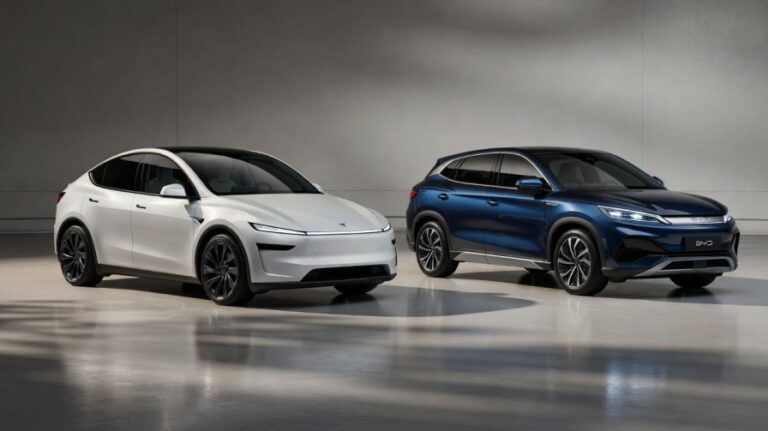
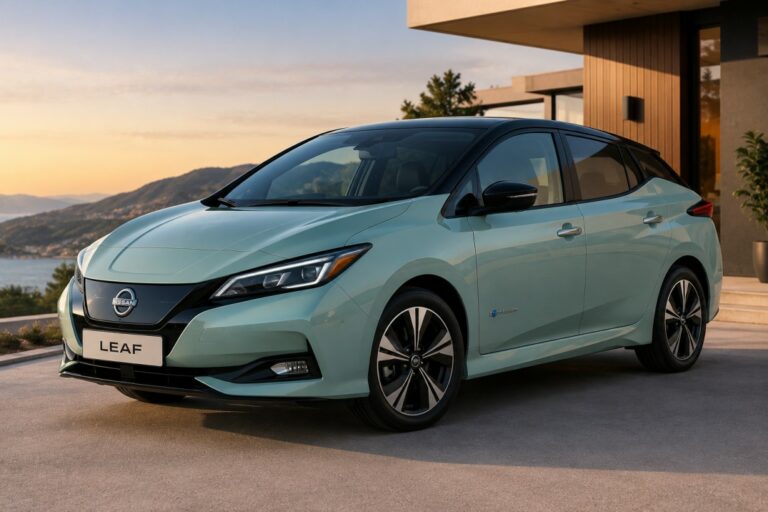
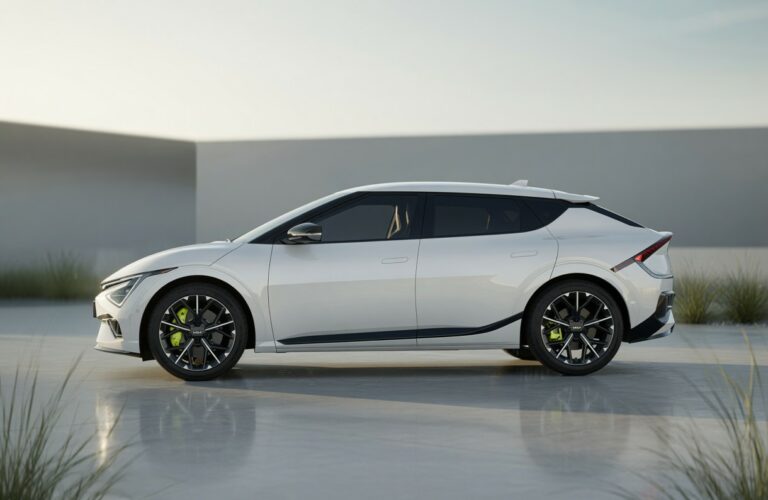
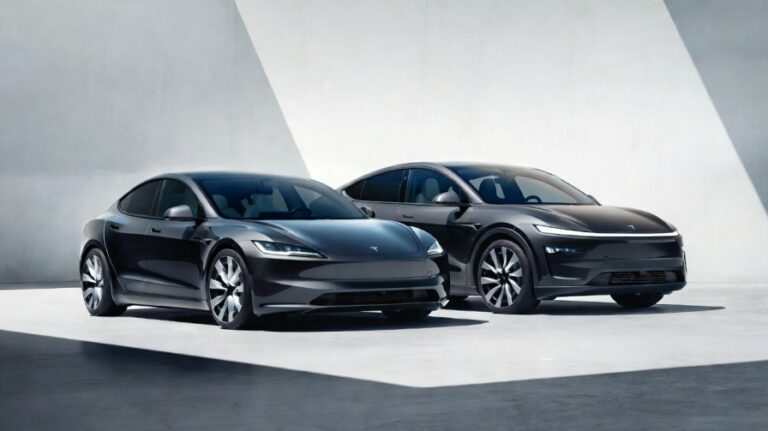
The rise of electric vehicles has directly affected vehicle sales at many dealerships. Some brands that were slow to introduce electric models have seen a decline in overall sales. On the other hand, dealerships that represent brands with strong EV lineups, such as Tesla, Hyundai, Kia, and Volkswagen, are experiencing growth in this segment.
Because electric vehicles often require less frequent maintenance, dealerships are also seeing a change in customer visit patterns. Many EV owners visit service centers less often compared to traditional vehicle owners. This shift is forcing dealerships to rethink their service department strategies and revenue models.
Decline in Traditional Service Revenue
One of the biggest impacts of EV adoption on Canadian dealerships is the reduction in traditional service work. Services like oil changes, exhaust repairs, and transmission maintenance are becoming less common. As a result, some dealerships are experiencing lower revenue from their service departments, which have historically been a major profit center.
This decline is particularly noticeable in regions where EV adoption is growing faster, such as British Columbia, Quebec, and parts of Ontario. Dealerships in these areas are under more pressure to find new revenue streams.
New Opportunities for Dealerships
While some traditional services are declining, EV adoption is also creating new business opportunities. Many dealerships are now focusing on:
- Selling and installing home EV chargers
- Offering EV-specific maintenance and software updates
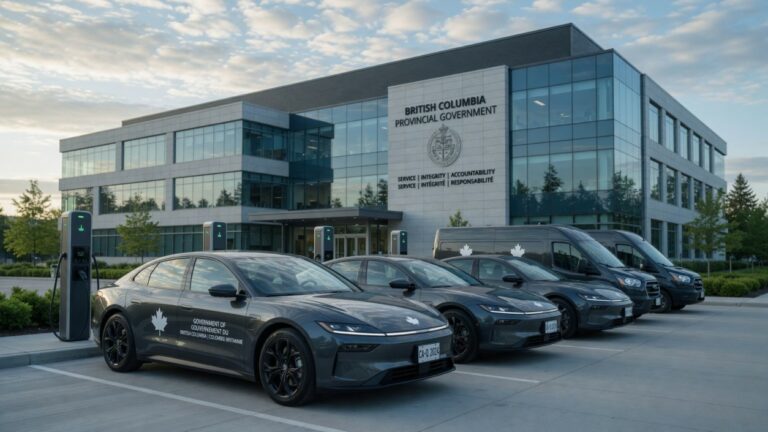
- Providing charging solutions for fleet customers
- Selling electric vehicle accessories and protection packages
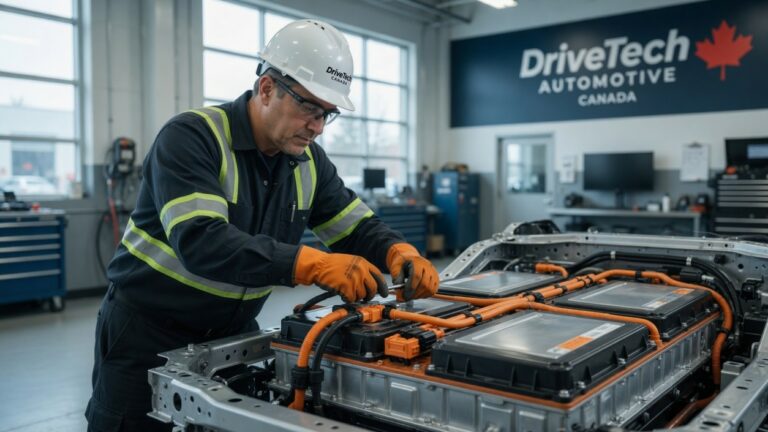
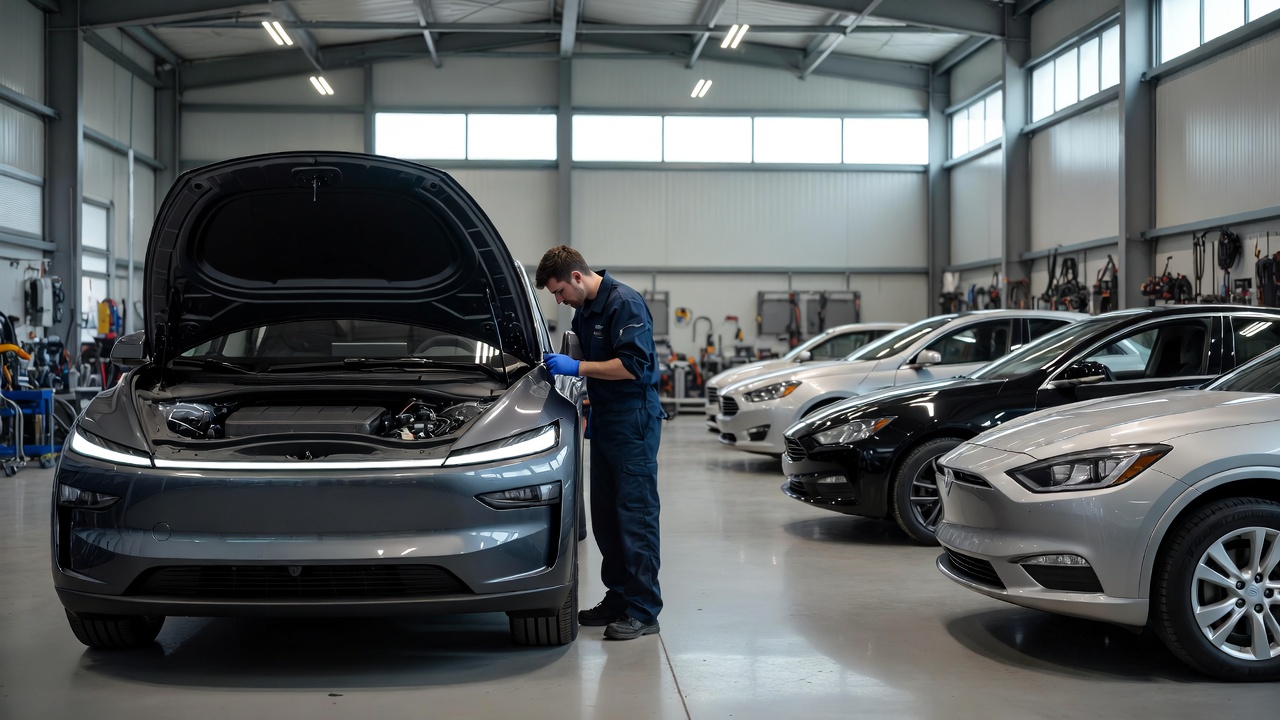
Some forward-thinking dealerships are also investing in training their technicians for high-voltage systems and electric vehicle diagnostics. Those who adapt quickly are better positioned to capture the growing EV market.
Challenges Faced by Traditional Dealerships
Many traditional dealerships are struggling with the transition to electric vehicles. Some of the major challenges include:
- High cost of EV training and diagnostic equipment
- Lower service revenue due to fewer maintenance requirements
- Need to invest in charging infrastructure at dealerships
- Changing customer expectations and buying behavior
- Competition from direct-to-consumer EV brands like Tesla
These challenges are forcing many dealership groups to rethink their long-term business strategies.
Regional Differences Across Canada
The EV impact on dealerships varies across different provinces. In British Columbia and Quebec, where EV adoption is higher, dealerships have been adapting faster and investing more in EV infrastructure. In contrast, dealerships in Alberta, Saskatchewan, and Atlantic Canada are experiencing slower changes because EV adoption remains relatively low in these regions. This difference shows that the transition is not happening at the same pace everywhere in Canada.
Future Outlook for Canadian Dealerships
Looking ahead, the EV impact on dealerships in Canada is expected to grow stronger between 2026 and 2030. Dealerships that invest in EV training, charging infrastructure, and new service offerings are more likely to succeed. On the other hand, those that continue to rely only on traditional gasoline vehicle sales and services may face increasing pressure.
Many experts believe that successful dealerships of the future will need to offer a mix of vehicle sales, home charging solutions, and digital services to remain competitive.
Final Thoughts
The EV impact on dealerships in Canada is already visible and will continue to reshape the automotive retail industry in the coming years. While electric vehicles bring new opportunities, they also challenge the traditional dealership model that has existed for decades. Dealerships that embrace change, invest in training, and adapt their services to meet the needs of EV customers will be better positioned to thrive in this new era.
Overall, the transition to electric vehicles is not just changing what Canadians drive — it is also transforming how vehicles are sold and serviced across the country.