Canadian auto tariffs 50%: Trump Threatens Higher Duties in 2027
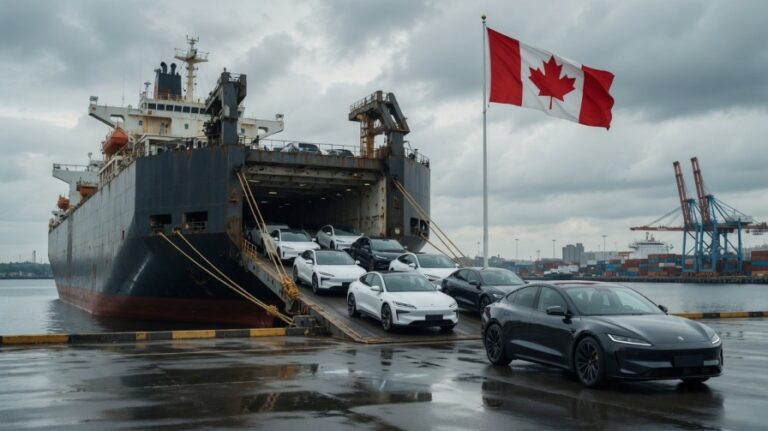
U.S. President Donald Trump said he will raise tariffs on Canadian cars, trucks, auto parts, and steel to 50 percent starting January 1, 2027. The threat follows the collapse of trade talks between Washington and Ottawa last week.
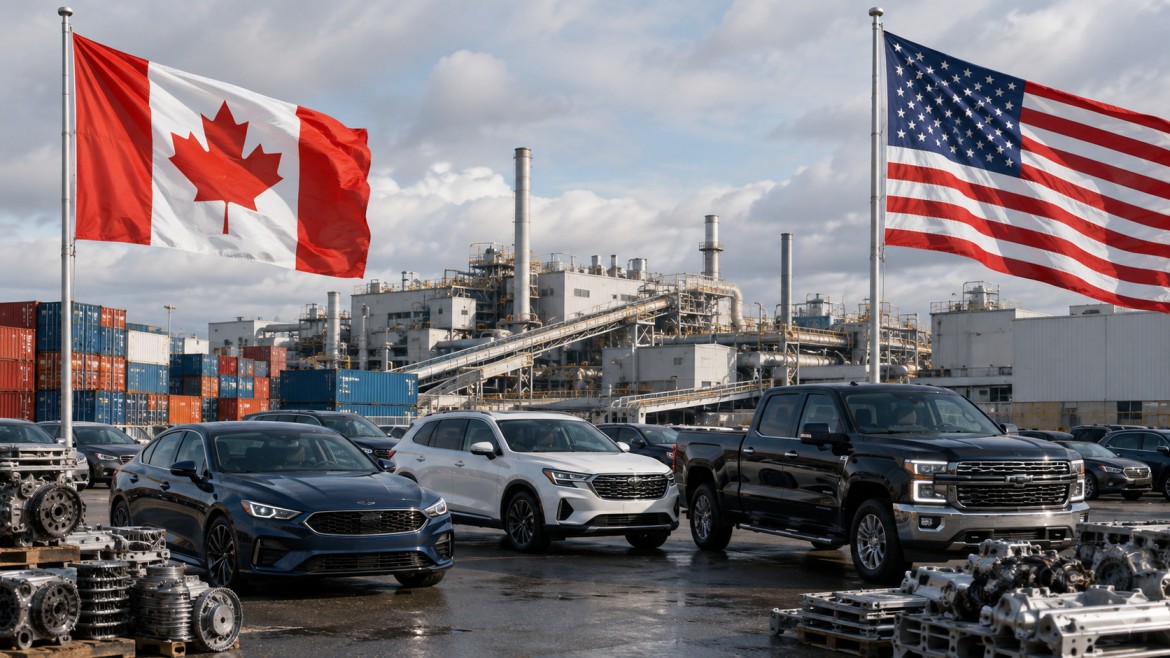
What Trump Announced
In a social media post, Trump said tariffs on all cars and trucks, large and small, plus automotive parts and steel, will increase to 50 percent. He added that vehicles built in the United States would face zero tariffs.
Canadian vehicles currently face a 25 percent U.S. tariff. That rate can drop based on the share of U.S.-made parts in each vehicle. Talks had explored cutting the top rate to 15 percent, but those discussions broke down.
Why Talks Failed
Prime Minister Mark Carney said the United States asked too much and offered too little. One major sticking point was whether lower tariffs would apply to medium- and heavy-duty trucks. Canada wanted those vehicles included. The U.S. side did not agree.
After talks ended, the United States applied 50 percent tariffs on about $28 billion of Canadian goods. Canada plans to respond with matching tariffs starting September 8.
Impact on Canada’s Auto Sector
Canada and the United States have long shared an integrated auto industry. Parts and finished vehicles move across the border every day. Plants in Oakville, Oshawa, and Windsor depend on that flow.
Industry analysts say extra tariffs add cost and uncertainty. Canadian auto production was already under pressure. Higher duties on vehicles and parts make new investment harder to justify.
Some suppliers fear customers will shift work to the United States. Others note that U.S. assembly plants also rely on Canadian parts. Higher tariffs would raise costs on both sides of the border.
What Happens Next
The 50 percent rate is set for January 2027, so companies have several months before it takes effect. It is still unclear exactly which parts and vehicle types the new rate would cover.
For Canadian buyers and the EV supply chain, the main concern is stability. Higher trade barriers could raise vehicle prices and slow investment in both traditional and electric vehicle production. Officials on both sides have left the door open to more talks, but no new date has been set.