Hidden Costs EV Canada: What Buyers Often Overlook
Buying an electric vehicle in Canada is an exciting decision for many people. However, the actual cost of owning an EV often goes beyond the purchase price and government incentives. Many new EV owners are surprised when they discover several hidden costs that appear after they bring the vehicle home. In this article, we will explore the most common hidden costs EV Canada buyers face and help you understand what to expect.
Home Charger Installation Expenses
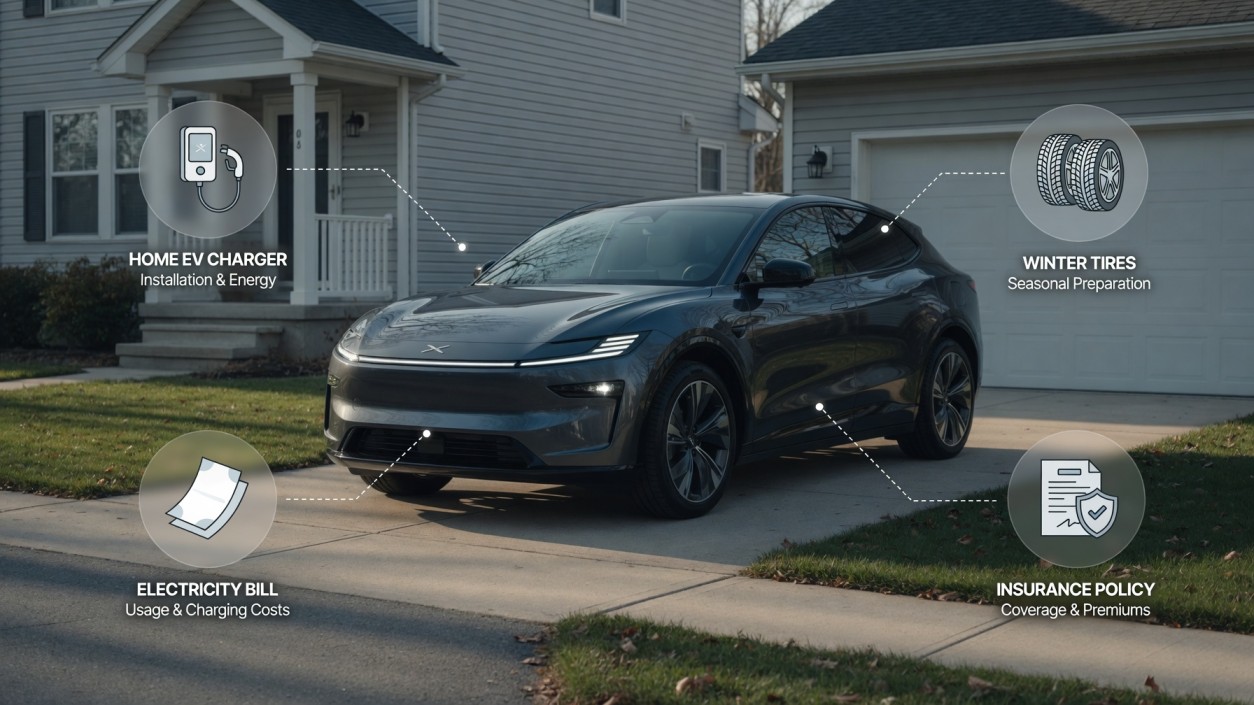
One of the biggest hidden costs after buying an EV is installing a home charger. While many people assume they can simply plug their car into a regular outlet, most EV owners eventually install a Level 2 charger for convenience and faster charging.
The installation cost can vary significantly depending on your home’s electrical system. If your home already has sufficient electrical capacity, the cost may be relatively low. However, many older homes require an electrical panel upgrade, which can become quite expensive. In addition, you may also need to pay for permits, labor, and wiring, which further increases the total cost.
Higher Insurance Premiums
Another common hidden cost is higher insurance rates. In Canada, insuring an electric vehicle is often more expensive than insuring a similar gas-powered car. This happens because EVs are generally more expensive to repair, and many insurance companies still consider them higher-risk vehicles.
The difference in premiums can be noticeable, especially for newer and more expensive EV models. Therefore, it is important to get insurance quotes before finalizing your EV purchase so you are not caught off guard by the increased monthly cost.
Increased Electricity Bills
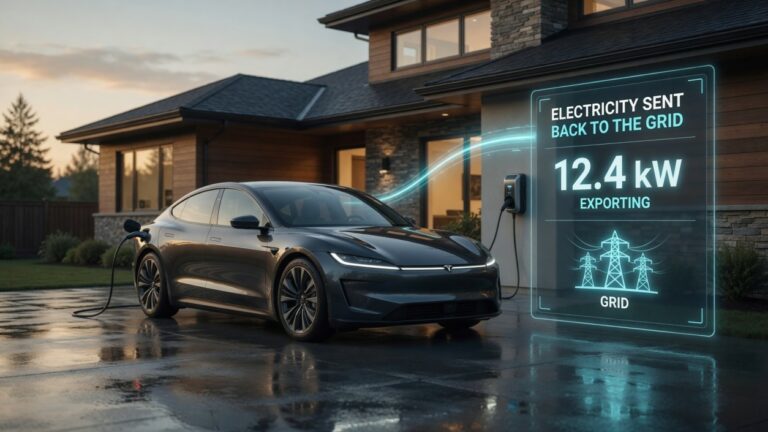
While EVs are cheaper to “fuel” than gas cars, many new owners underestimate how much their electricity bill can increase. Charging an EV at home regularly adds a noticeable amount to your monthly electricity expenses, especially if you drive long distances or charge during peak hours.
Although home charging is still much cheaper than using public chargers or buying gasoline, the increase in your electricity bill is a real ongoing cost that many buyers do not fully calculate before purchasing an EV.
Winter Tire Replacement Costs
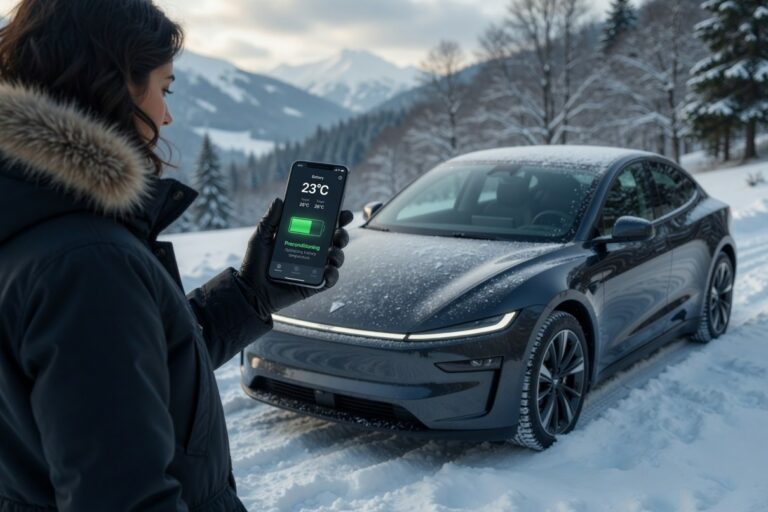
Electric vehicles are generally heavier than gas cars because of their battery packs. This extra weight causes tires to wear out faster, especially in Canada where winter tires are necessary for several months every year.
Because of this, EV owners often need to replace their winter tires more frequently than gas car owners. The cost of quality winter tires, along with installation and storage, adds up over time and becomes a recurring hidden expense.
Public Charging Expenses
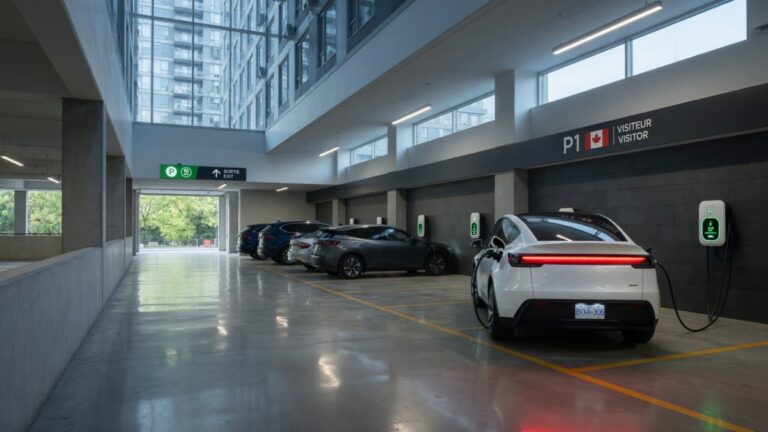
Many new EV owners initially plan to charge mostly at home. However, in reality, they often end up using public charging stations more than expected. Public DC fast chargers are significantly more expensive than home charging, and frequent use can substantially increase your overall running costs.
This becomes especially relevant for people who live in apartments or condos and do not have access to home charging. In such cases, relying on public chargers can make EV ownership more expensive than initially anticipated.
Battery Degradation Over Time
Although EV batteries come with long warranties, they do degrade over time. After several years of use, the battery capacity reduces, which directly affects the vehicle’s range. While most batteries still perform well within the warranty period, some owners may eventually face reduced range or consider battery replacement outside the warranty period.
This long-term concern is something many buyers do not think about when purchasing their first EV.
Resale Value Uncertainty
Another hidden aspect is the resale value of electric vehicles. The EV market is still evolving, and rapid advancements in battery technology and new model releases can affect how much your vehicle is worth after a few years. Some EV models have shown faster depreciation compared to popular gas cars, which can result in a financial loss when you decide to sell or trade in your vehicle.
Final Thoughts
While electric vehicles offer many advantages, including lower fuel costs and reduced emissions, they also come with several hidden costs that buyers in Canada should carefully consider. From home charger installation and higher insurance premiums to faster tire wear and potential long-term battery concerns, these expenses can add up over time.
Understanding these hidden costs EV Canada buyers face can help you make a more informed decision. Before purchasing an electric vehicle, it is wise to calculate not just the purchase price, but also the ongoing and future costs associated with EV ownership. Doing proper research can help you avoid surprises and enjoy a smoother ownership experience.
Would you like a breakdown of the most expensive hidden costs for EV owners in different provinces of Canada?