2026 Toyota C-HR EV Canada Review
Toyota has finally brought its popular C-HR nameplate into the all-electric era. The 2026 Toyota C-HR EV marks a confident leap for the brand into the compact electric crossover segment, blending the model’s signature sharp styling and engaging dynamics with Toyota’s legendary reliability and cold-weather toughness.
Here’s the complete Canada-focused review — real pricing, estimated range, winter performance, key features and an honest verdict.
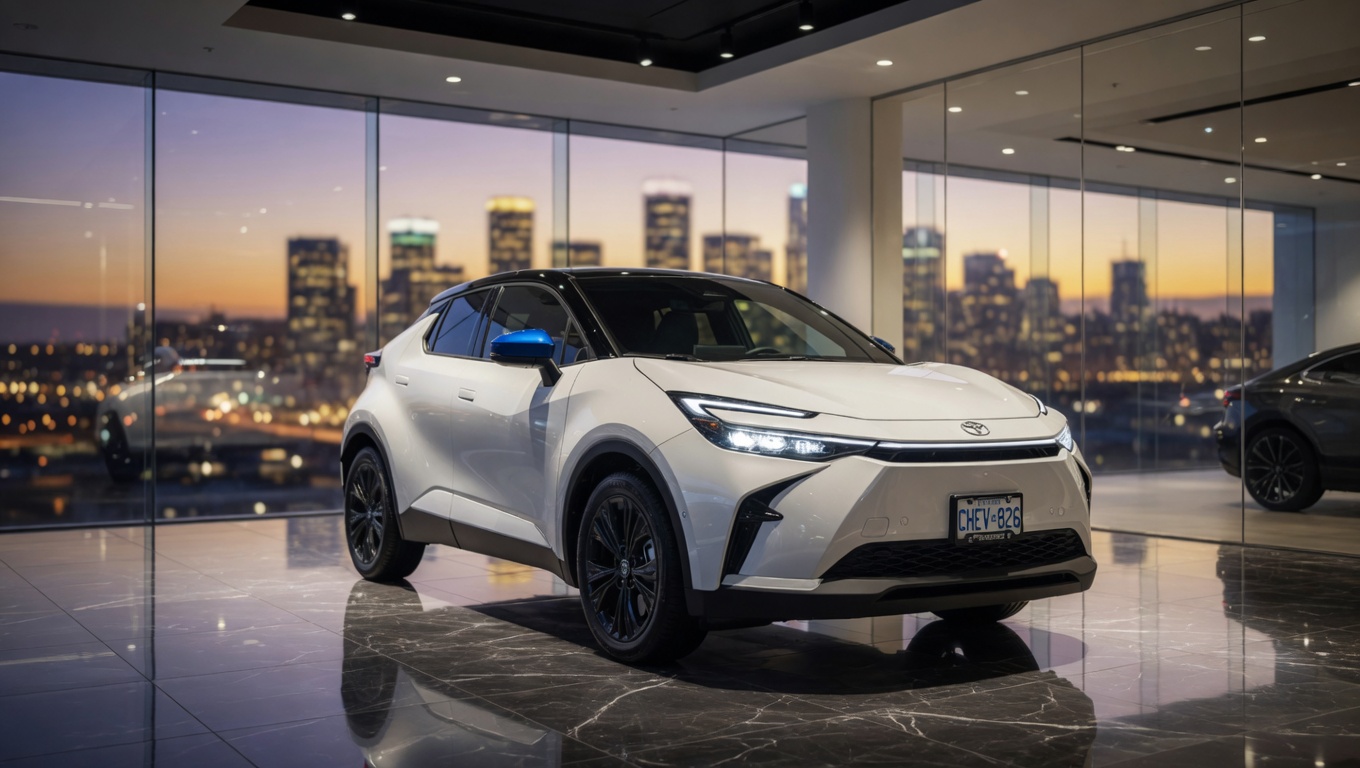
Why the 2026 Toyota C-HR EV Stands Out
The C-HR EV is Toyota’s first dedicated electric version of the best-selling C-HR crossover. It slots neatly between budget-friendly compact EVs and more premium options, competing directly with the Kia EV4, Hyundai Kona Electric and entry-level Tesla Model Y. What sets it apart is Toyota’s focus on real-world usability, refined driving feel and proven winter performance, exactly what Canadian owners need.
Sporty & Modern Exterior Design
The 2026 C-HR EV carries forward the bold coupe-like stance with razor-sharp lines, slim LED headlights and a low, athletic profile. Its aerodynamic shape boosts efficiency while the slightly raised ride height makes it practical for Canadian roads, potholes and light snow. The overall design feels premium and modern without trying too hard to stand out.
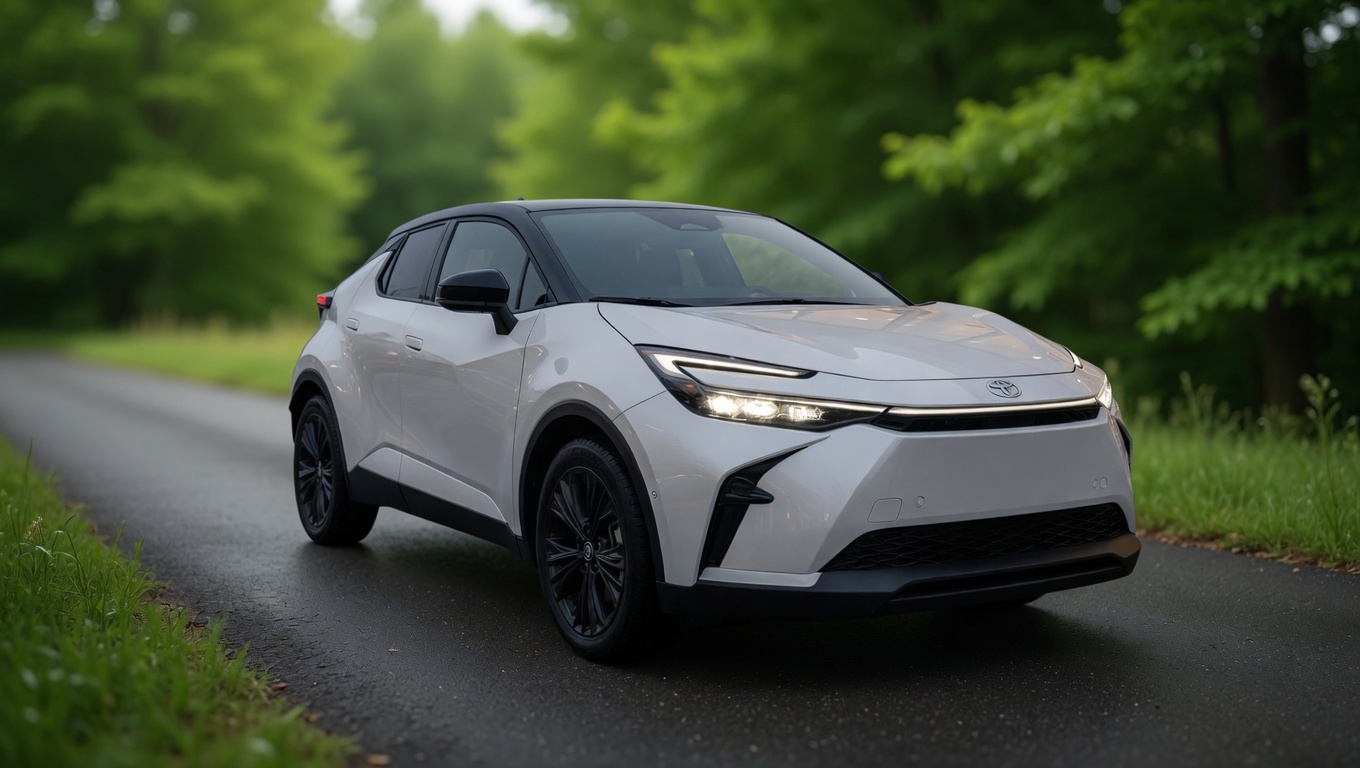
Premium & Comfortable Interior
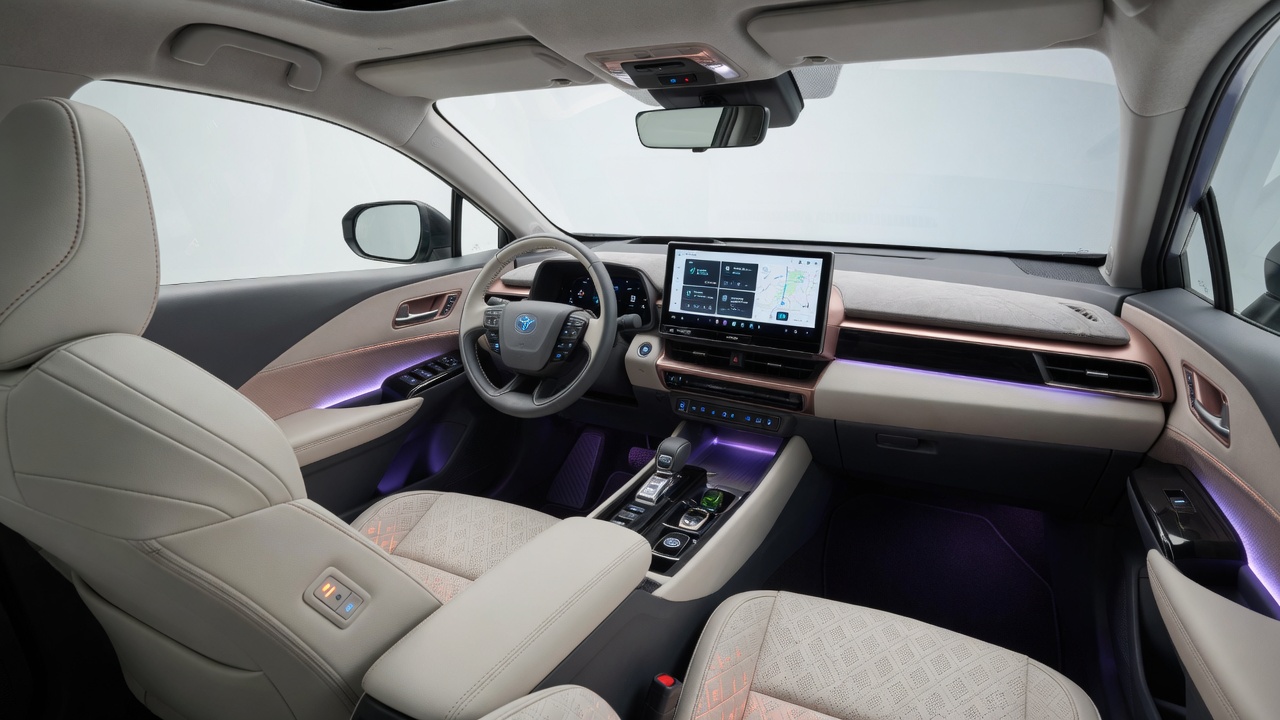
Step inside and you’ll find an upscale cabin finished with soft-touch materials, customizable ambient lighting and a large 14-inch touchscreen. Heated front seats, a heated steering wheel and wireless charging come standard, essential comforts for Canadian winters. Rear seating is comfortable for two adults, while cargo space remains practical for daily errands and weekend escapes.
Performance, Range & Canadian Winter Reality
Powered by a 77 kWh battery with Toyota’s advanced thermal management and heat pump system, the C-HR EV delivers strong efficiency and fast DC charging. It also features a built-in NACS port for direct Tesla Supercharger access.
Here are the key specs for Canadian buyers:
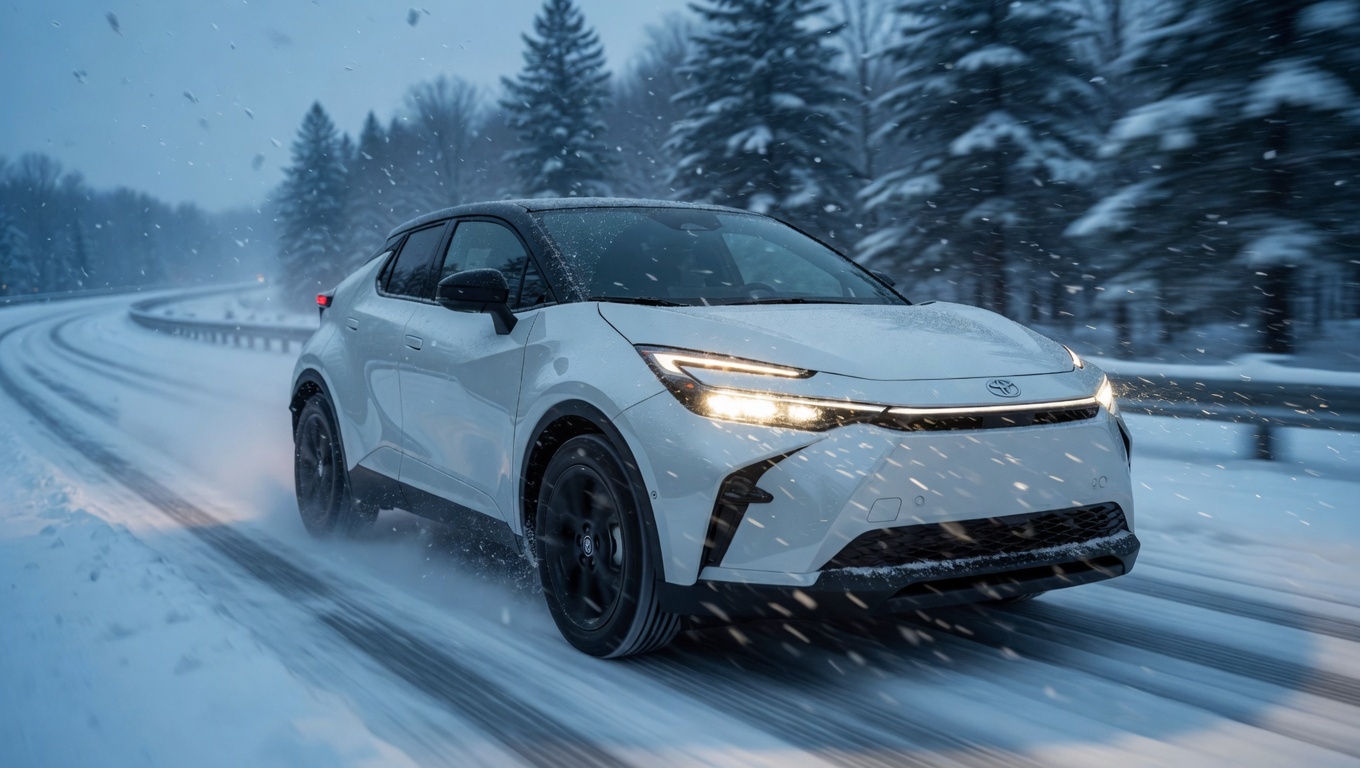
Winter Range Check: Thanks to Toyota’s excellent battery thermal management and heat pump, real-world winter range remains competitive. Expect 25-35% loss in extreme cold, delivering 320–400 km, easily enough for most daily commutes and highway runs.
Pricing & Incentives (Important Update for 2026)
Canadian MSRP starts at $48,015 for the SE FWD (including freight/PDI). Both trims qualify for the full federal $5,000 iZEV/EVAP rebate plus provincial incentives in BC, Quebec and Ontario, making the effective price highly competitive.
Pros & Cons
Pros:
- Exceptional Toyota build quality and long-term reliability
- Strong real-world range and efficiency
- Fun-to-drive sporty handling
- Built-in NACS port for Tesla Superchargers
- Excellent cold-weather performance
- Strong value after rebates
Cons:
- Not the cheapest option in the segment
- Rear seat and cargo space are average
- AWD model has slightly lower range
- Initial supply may be limited
Final Honest Verdict
The 2026 Toyota C-HR EV is a thoughtful and well-executed compact electric crossover that plays perfectly to Toyota’s strengths. It delivers sharp styling, engaging dynamics, impressive range and the peace of mind that comes with Toyota ownership — all while being genuinely suited for Canadian winters.
If you want a premium-feeling compact EV that prioritizes quality and driving enjoyment over maximum size or the lowest price tag, the C-HR EV is one of the smartest choices available right now.
Would you consider the 2026 Toyota C-HR EV? Drop your thoughts in the comments below and subscribe for more honest Canadian EV reviews!
Related Reads: