EV Winter Range Canada 2026 Guide
EV winter range Canada 2026 becomes a key concern for many drivers as temperatures drop. Cold weather reduces battery efficiency and shortens real-world distance. As a result, buyers and current owners need clear strategies to maintain usable range during Canadian winters.
However, modern electric vehicles handle cold conditions better than earlier models. Preconditioning and smart charging habits make a noticeable difference. Therefore, understanding the main factors helps drivers plan trips with more confidence.
EV Winter Range Canada Reality Check
EV winter range Canada figures often fall 20 to 35 percent below the rated number in freezing temperatures. This loss comes from battery chemistry, cabin heating, and higher rolling resistance on cold tires. In addition, frequent short trips prevent the battery from staying at its best operating temperature.
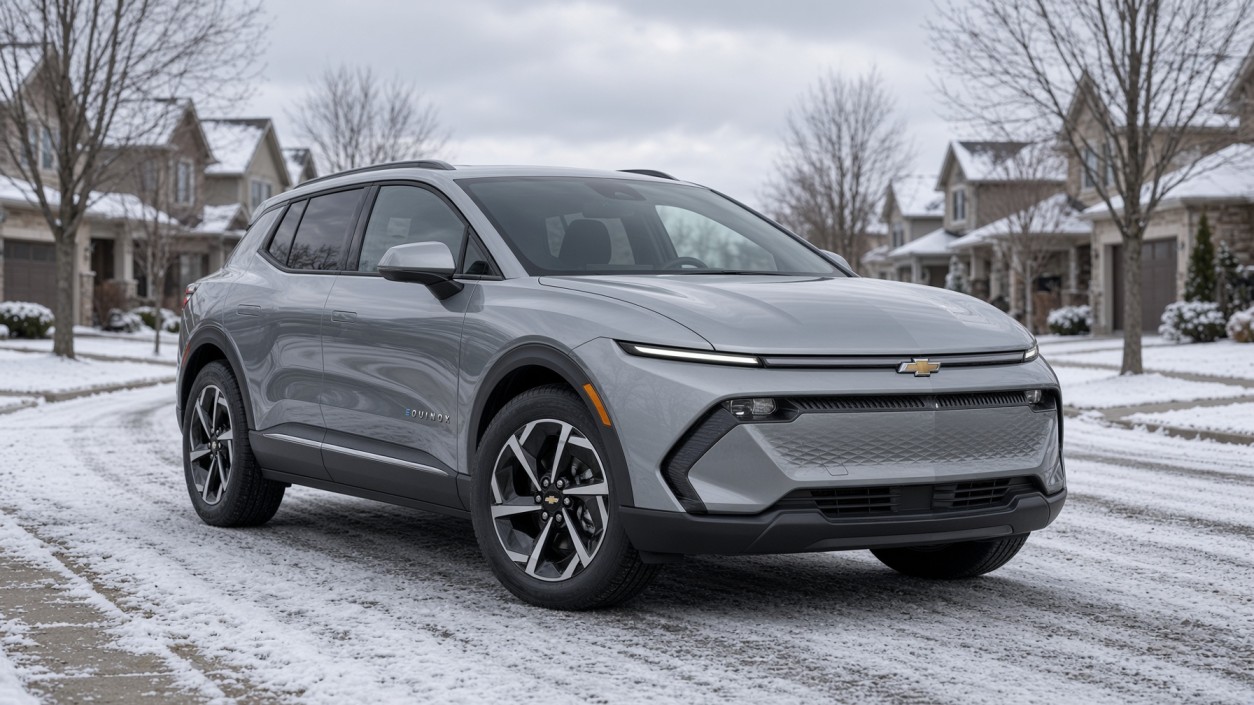
Meanwhile, models with heat pumps generally lose less range than those that rely only on resistive heaters. The Tesla Model Y, Hyundai Ioniq 5, and Chevrolet Equinox EV remain strong performers in winter tests. Consequently, many Canadian buyers now prioritize heat-pump-equipped vehicles when shopping for year-round use.
Simple Ways to Protect Range
EV winter range Canada improves when drivers pre-condition the cabin while the vehicle is still plugged in. This uses grid power instead of battery energy. Moreover, keeping the battery between 20 and 80 percent most of the time reduces stress in cold weather.
In addition, using seat and steering-wheel heaters instead of the full cabin heater saves significant energy. Therefore, these small changes often recover 10 to 15 percent of the lost range on daily drives. Parking in a garage whenever possible also helps the battery stay warmer overnight.
Charging Habits That Help in Winter
EV winter range Canada benefits from charging to a higher level before long trips. Many owners aim for 90 percent the night before a highway journey. However, daily commuting still works best with lower charge limits to protect long-term battery health.
Meanwhile, public Level 3 chargers can be slower in extreme cold because the battery must warm up first. As a result, starting a charge with a preconditioned battery often cuts charging time. Drivers can also check our earlier guide on public charging costs for current rates across provinces.
What Buyers Should Consider Now
EV winter range Canada data show that newer 2026 and 2027 models generally perform better than 2023–2024 vehicles. Therefore, shoppers comparing options should ask dealers about heat-pump availability and real-world winter results. Checking Transport Canada’s EVAP eligibility list also confirms which models still qualify for the $5,000 rebate.
Moreover, some provincial programs continue to offer extra support through the end of 2026. Consequently, acting before any 2027 changes can lower the final price of a capable winter EV. Review our cheapest new electric cars list for current Canadian pricing.
EV winter range Canada remains manageable with the right habits and vehicle choice. Most drivers adapt quickly once they understand the main factors. How has cold weather affected your electric vehicle range so far? Share your experience in the comments.