EV and Canadian Municipal Fleet Electrification: Progress and Challenges
Across Canada, municipalities are playing an important role in the country’s shift toward electric vehicles. Cities and towns are gradually replacing their gasoline and diesel-powered vehicles with electric ones as part of their climate action plans. This process, known as municipal fleet electrification, includes cars, trucks, buses, and specialized service vehicles used by local governments.
While some cities have made notable progress, many municipalities still face significant challenges in transitioning their fleets. In this article, we will examine the current state of municipal fleet electrification in Canada, the progress made so far, and the barriers that remain.
Why Municipal Fleet Electrification Matters
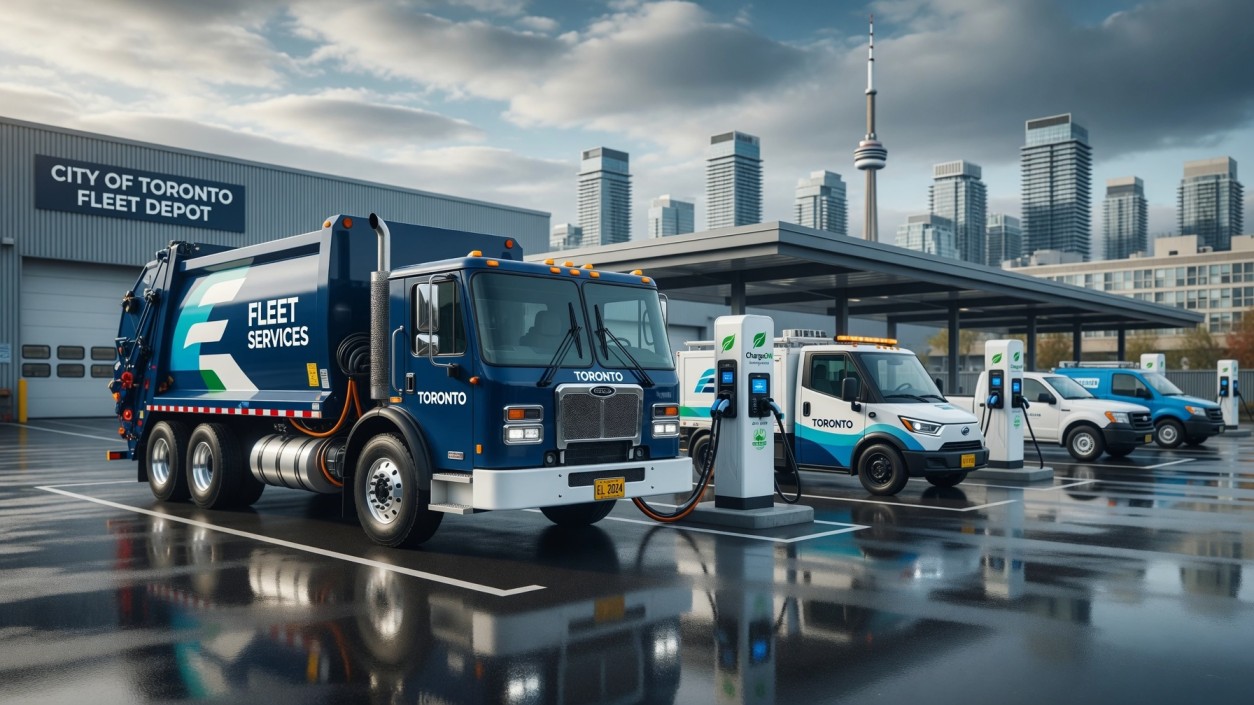
Municipal governments operate thousands of vehicles across Canada, including public transit buses, garbage trucks, snow removal equipment, and administrative vehicles. These fleets contribute to local air pollution and greenhouse gas emissions. Electrifying municipal fleets can help cities reduce emissions, lower long-term operating costs, and improve air quality for residents.
Additionally, when municipalities adopt electric vehicles, they send a strong signal to residents and businesses, encouraging wider EV adoption in the community.
Current Progress Across Canada
Some Canadian municipalities have been more proactive than others in electrifying their fleets:
- Vancouver and Toronto have been relatively ahead in introducing electric buses and municipal service vehicles.
- Montreal has made strong commitments to electrify its public transit and municipal fleets.
- Several smaller cities in British Columbia and Quebec have also started pilot projects for electric municipal vehicles.
- Many municipalities in Ontario are gradually adding electric vehicles, especially in public transit and light-duty fleets.
However, progress remains uneven. Larger cities with bigger budgets and better infrastructure tend to move faster, while smaller and rural municipalities often lag behind due to financial and technical limitations.
Key Challenges in Municipal Fleet Electrification
Despite growing interest, many municipalities face serious challenges in transitioning to electric vehicles:
- High Upfront Costs: Electric vehicles, particularly larger trucks and specialized equipment, are more expensive than traditional vehicles.
- Charging Infrastructure: Many municipal facilities lack the necessary electrical capacity and charging stations.
- Cold Weather Performance: Range reduction in extreme Canadian winters is a major concern, especially for emergency and winter service vehicles.
- Limited Model Availability: Not all types of municipal vehicles (such as heavy-duty trucks or specialized equipment) have suitable electric alternatives yet.
- Training and Maintenance: Municipal staff and mechanics need proper training to handle high-voltage electric vehicles.
- Budget Constraints: Smaller municipalities often struggle to justify the higher initial investment required for fleet electrification.
These challenges are more pronounced in smaller towns and rural areas compared to major urban centers.
Benefits of Electrifying Municipal Fleets
Despite the difficulties, electrifying municipal fleets offers several long-term advantages:
- Lower fuel and maintenance costs over time
- Reduced greenhouse gas emissions and improved local air quality
- quieter operation, especially beneficial for garbage collection and early morning services
- Alignment with municipal climate action plans and sustainability goals
- Potential access to federal and provincial funding for zero-emission vehicles
Many municipalities view fleet electrification as both an environmental responsibility and a long-term cost-saving strategy.
Future Outlook
The municipal fleet electrification trend in Canada is expected to accelerate between 2026 and 2030. As more electric vehicle models become available — especially in the medium and heavy-duty segments — municipalities will have greater options to electrify their fleets.
Continued support from federal and provincial governments, along with improvements in battery technology and charging infrastructure, will be critical for faster adoption. Some experts believe that by 2030, a significant portion of municipal light-duty and transit fleets across Canada could be electric, particularly in larger cities.
However, achieving widespread electrification across all municipalities — including smaller and rural ones — will require targeted funding, technical support, and practical solutions suited for Canadian conditions.
Final Thoughts
The transition toward electric vehicles in Canadian municipal fleets is an important part of the country’s broader climate goals. While progress is being made, especially in larger cities, many municipalities still face financial, technical, and operational challenges.
With the right support and continued improvements in electric vehicle technology, municipal fleet electrification can deliver meaningful environmental and economic benefits. As more cities and towns move forward with their electrification plans, Canada’s public sector will play a key role in supporting the overall growth of electric vehicles across the country.
Would you like a comparison of municipal fleet electrification progress between major cities like Toronto, Vancouver, and Montreal?