One-Pedal Driving in EVs: Benefits and Limitations
One-pedal driving is one of the most talked-about features in electric vehicles. It allows drivers to control both acceleration and braking using only the accelerator pedal. While many EV owners love this feature, it also has some limitations. In this article, we will explore the benefits and limitations of one-pedal driving in electric vehicles.
What is One-Pedal Driving?
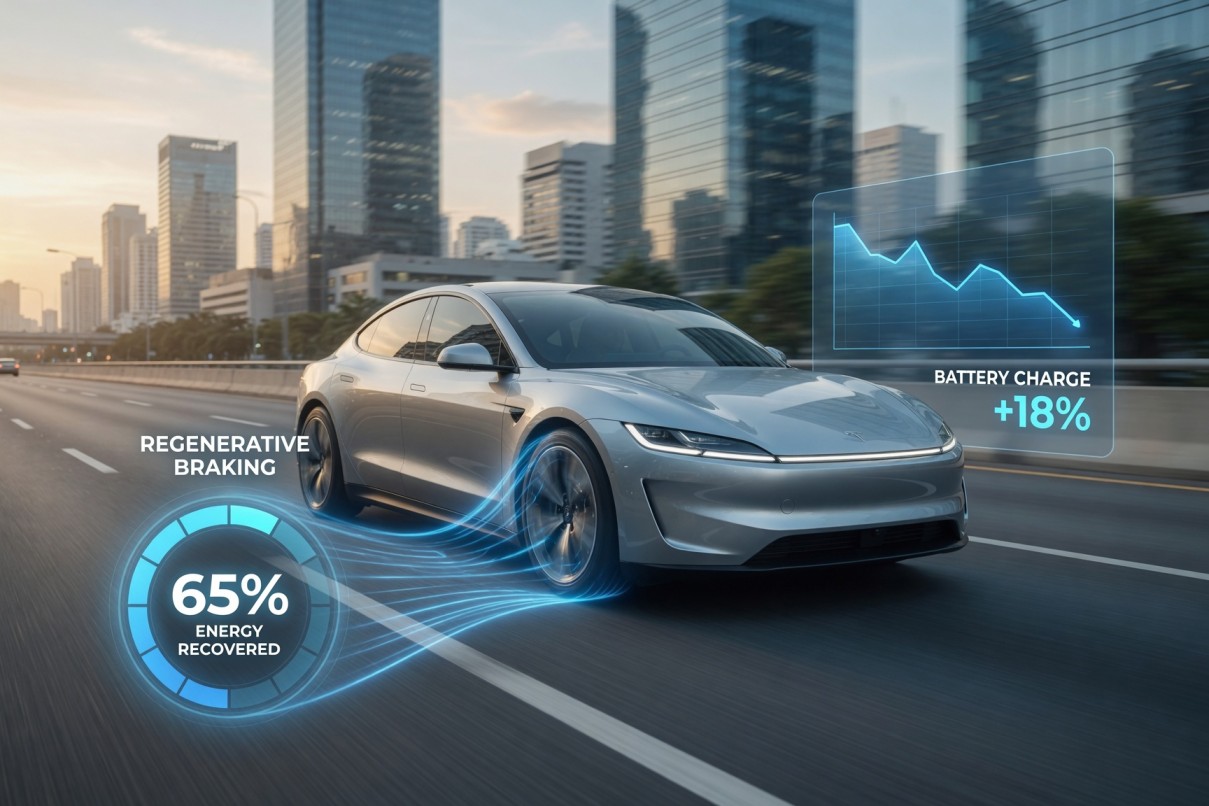
One-pedal driving is a feature in electric vehicles that uses regenerative braking to slow down the car when the driver lifts off the accelerator pedal. Instead of pressing the brake pedal, the car slows down on its own by converting kinetic energy back into electrical energy, which charges the battery.
This feature is available in most modern electric vehicles, including Tesla, Hyundai, Kia, BMW, Ford, and many others. The strength of regenerative braking can often be adjusted through different driving modes.
How One-Pedal Driving Works
When the driver presses the accelerator, the car moves forward. When the driver lifts their foot off the accelerator, the regenerative braking system activates and slows the vehicle down. In strong one-pedal mode, the car can come to a complete stop without using the brake pedal in most situations.
This system reduces the need to switch between the accelerator and brake pedals frequently, making driving smoother in city traffic.
Benefits of One-Pedal Driving
One-pedal driving offers several advantages:
- Improved Energy Efficiency: It recovers energy while braking, which helps extend the driving range.
- Smoother Driving Experience: Drivers don’t need to constantly switch between pedals in stop-and-go traffic.
- Less Brake Wear: Since the car uses regenerative braking more often, the brake pads last longer.
- Better Control in City Driving: It makes driving in heavy traffic more relaxed and comfortable.
- Reduced Driver Fatigue: Fewer pedal movements can make long drives less tiring.
Limitations of One-Pedal Driving
While one-pedal driving has many benefits, it also comes with some drawbacks:
- Learning Curve: New EV drivers often take time to get used to one-pedal driving.
- Less Effective at High Speeds: On highways, one-pedal driving is less useful because regenerative braking is weaker at high speeds.
- Not Ideal in All Situations: In slippery conditions like snow or ice, strong regenerative braking can sometimes cause the car to skid.
- Driver Preference: Some drivers prefer the traditional feel of using the brake pedal and find one-pedal driving uncomfortable.
- Limited Control in Certain Scenarios: In emergency situations, many drivers still prefer using the brake pedal for more precise control.
One-Pedal Driving in Canadian Winters
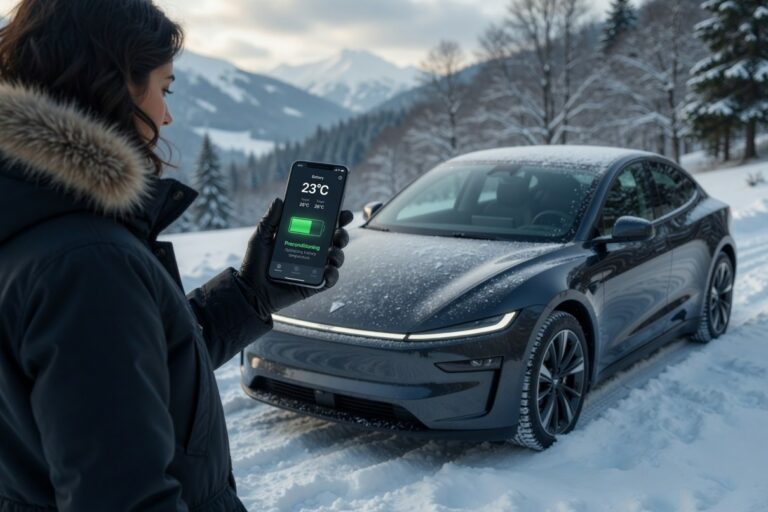
One-pedal driving can be both helpful and challenging in Canadian winters. On one hand, it helps recover energy and improves efficiency. On the other hand, strong regenerative braking on slippery roads can reduce traction, especially on snow or ice.
Because of this, many EV owners in Canada reduce the strength of one-pedal driving or switch to a normal driving mode during winter months for better control and safety.
Benefits vs Limitations of One-Pedal Driving
Final Thoughts
One-pedal driving is a useful and efficient feature in electric vehicles. It offers many benefits such as improved range, smoother driving, and reduced brake wear. However, it also has some limitations, especially in winter conditions and at high speeds.
Whether one-pedal driving is right for you depends on your driving style and the conditions you usually drive in. Many drivers enjoy using it in city traffic, while others prefer to adjust its strength or turn it off in certain situations.
Overall, one-pedal driving is a great feature that improves the EV driving experience, but it works best when drivers understand both its advantages and limitations.
Would you like to know which EVs offer the strongest and most adjustable one-pedal driving experience?