Government Plans for EV Charging Infrastructure in Canada by 2030
As Canada moves toward its goal of having millions of electric vehicles on the road, building a strong EV charging infrastructure has become a top priority. Without enough chargers, many people will hesitate to switch to electric vehicles.
The Canadian government has created clear plans and targets for EV charging stations across the country by 2030. In this article, we will explain the official government plans, current progress, and what still needs to be done.
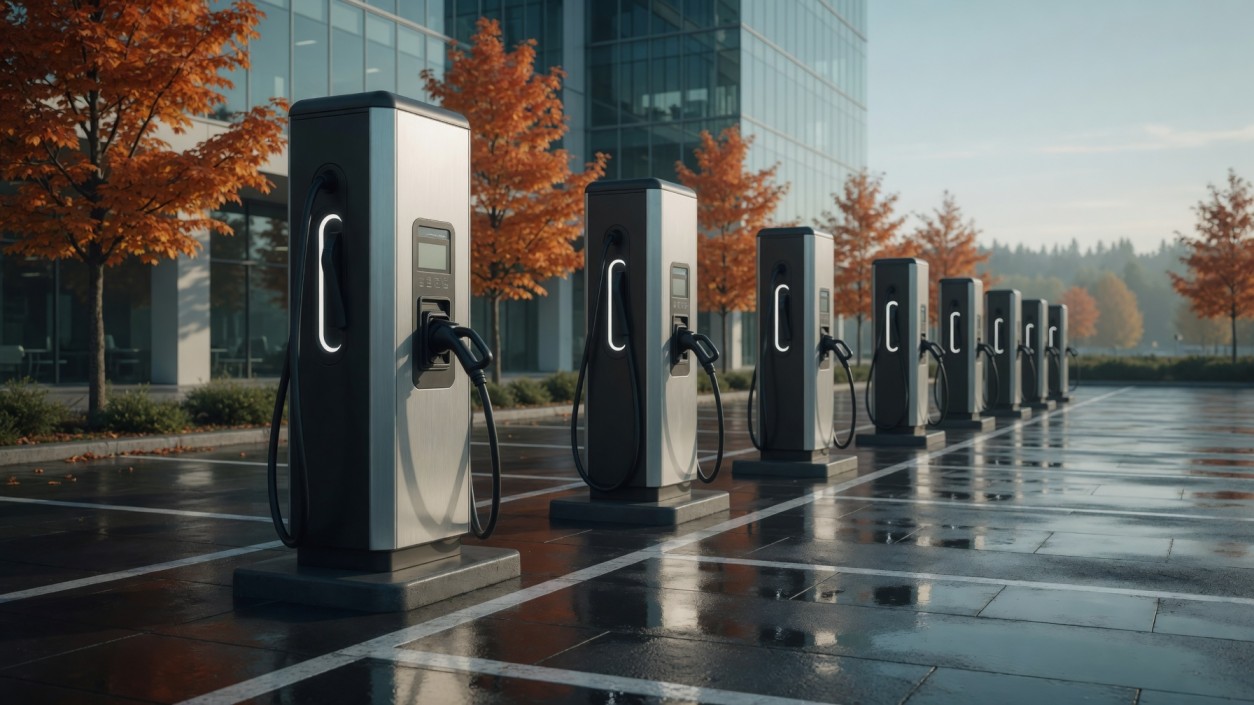
Federal Targets for EV Charging Infrastructure
The Government of Canada has set specific targets for public EV chargers and hydrogen refuelling stations. According to Natural Resources Canada (NRCan), the main targets are:
- 84,500 EV chargers (both Level 2 and DC Fast chargers) by 2029
- 45 hydrogen refuelling stations by 2029
These targets are part of the broader goal to support the shift to zero-emission vehicles. The government wants to make sure that Canadians can easily charge their electric vehicles at home, at work, and while traveling on highways.
Current Status of EV Charging in Canada
As of mid-2026, Canada has made progress, but there is still a long way to go.
- There are currently around 33,000 public charging ports operating across the country.
- Most chargers are concentrated in Ontario, British Columbia, and Quebec.
- Many rural and remote areas still have very few charging options.
- Significant gaps remain on some major highways, especially in the Prairies and Northern Canada.
To reach the target of 84,500 chargers by 2029, Canada needs to install thousands of new chargers every year.
Key Government Programs for EV Charging
The Canadian government is using several programs to build charging infrastructure:
1. Zero Emission Vehicle Infrastructure Program (ZEVIP)
This is the main federal program for EV charging. It provides funding to companies, municipalities, and organizations to install chargers in public places, workplaces, multi-unit residential buildings, and for fleets.
- Funded by Natural Resources Canada
- Offers up to 50% of project costs (with limits)
- Focuses on both urban and highway charging
2. Canada Infrastructure Bank (CIB)
The CIB has committed a minimum of $500 million to support large-scale EV charging and hydrogen projects. It works with private companies to speed up the building of charging networks.
3. Other Support
Some provinces and territories also run their own programs to install chargers, especially in public places and remote communities.
Current Progress vs 2030 Targets
Here’s a simple comparison of where Canada stands and where it aims to be:
Challenges in Building EV Charging Infrastructure
Even with government funding, Canada faces several challenges:
- High cost of installing fast chargers, especially in remote areas
- Limited electricity grid capacity in some regions
- Slow approval processes for new projects
- Uneven distribution of chargers (most are in big cities)
- Need for more private sector investment
The government is working with companies, municipalities, and Indigenous communities to speed up the rollout.
Final Thoughts
Canada has set clear targets for EV charging infrastructure by 2030, with a goal of having over 84,500 chargers across the country. While progress is being made through programs like ZEVIP and support from the Canada Infrastructure Bank, there is still a significant gap — especially in rural and remote areas.
To meet its climate goals and support millions of electric vehicles on the road, Canada will need to continue investing heavily in charging infrastructure over the next few years. Both government funding and private investment will be necessary to build a reliable and widespread network.
Would you like a breakdown of EV charging plans by specific province or region?