BYD’s Aggressive Canada Entry Strategy in 2026: What It Really Means
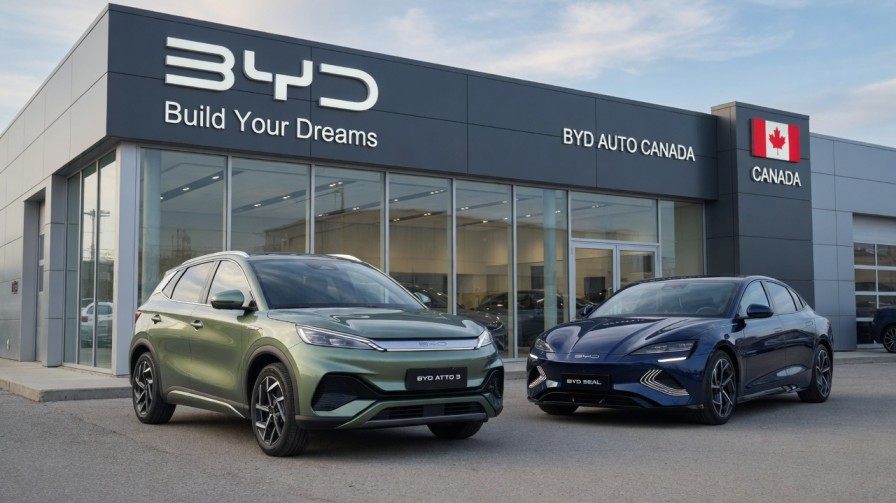
BYD, the world’s largest electric vehicle manufacturer, is preparing for a fast and calculated entry into the Canadian market in 2026. Unlike many other Chinese brands that are taking a cautious approach, BYD appears to be moving aggressively by planning to open up to 20 dealerships in its very first year.
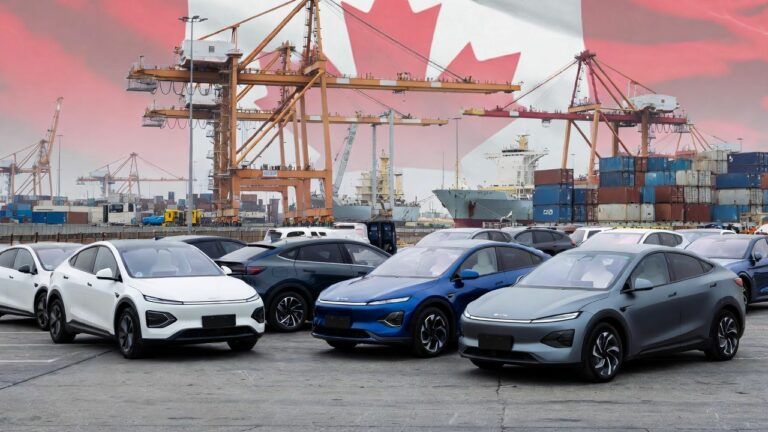
This move is significant because it comes at a time when Canada has opened a limited window for Chinese EV imports through a new trade agreement. The question is no longer if BYD will enter Canada, but how they plan to succeed in a market that already has strong players like Tesla, Hyundai, and Kia.
Why BYD Is Moving So Fast
BYD’s strategy in Canada seems to be built on speed and first-mover advantage. The company has already hired consultants in Ontario to identify dealership locations, with initial focus on the Greater Toronto Area. Plans also include expansion into Vancouver, Montreal, and Calgary.
There are a few clear reasons behind this urgency:
- The annual import quota for Chinese EVs is limited (starting at 49,000 units).
- BYD wants to secure prime retail locations before competitors.
- They are aiming to establish a strong brand presence before the quota increases in the coming years.
This “land grab” approach shows that BYD is treating Canada as a serious long-term market, not just a testing ground.
Expected Models and Pricing Strategy
While BYD has not officially confirmed its Canadian lineup, industry sources suggest the company will focus on affordable and mid-range models in the beginning.
Some of the most likely models to arrive first include:
- BYD Seagull / Dolphin — Expected to be priced under $30,000–$35,000 CAD
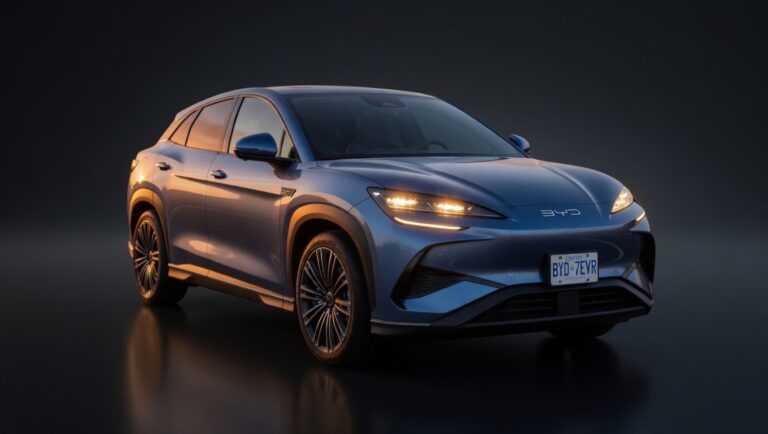
- BYD Atto 3 — Compact SUV, likely positioned around $40,000–$45,000 CAD
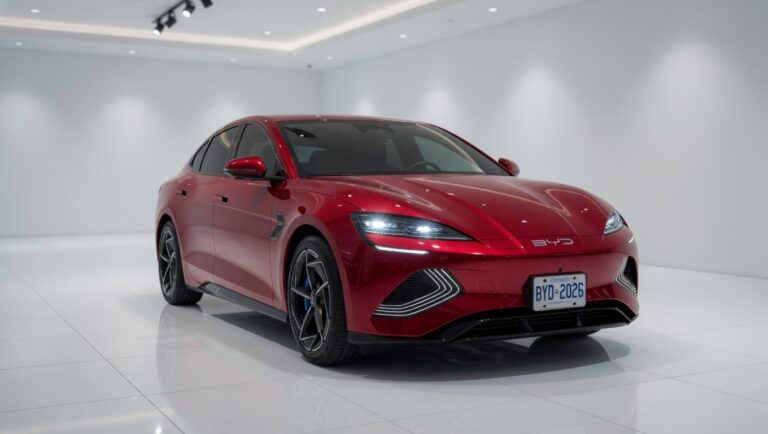
- BYD Seal — More premium sedan option
BYD’s strategy appears to be clear: bring affordable electric vehicles that are currently missing in the Canadian market. By offering lower prices than Tesla and other established brands, BYD can attract price-sensitive buyers and build volume quickly.
Challenges BYD Will Face in Canada
Despite the aggressive plans, BYD will face several challenges:
- Limited Import Quota: Only 49,000 Chinese EVs can be imported in the first year across all brands. This means BYD’s actual allocation could be much lower than expected.
- Service Network: Building a reliable after-sales service network from scratch will take time and investment.
- Brand Perception: Many Canadian buyers still have concerns about Chinese brands regarding quality, resale value, and long-term reliability.
- Competition: Tesla already has a strong presence, and other brands like Hyundai and Kia also offer competitive electric models.
BYD will need to address these issues carefully if they want to gain meaningful market share.
Long-Term Vision: Local Manufacturing?
One interesting aspect of BYD’s approach is that they have not ruled out future manufacturing in Canada. Some reports suggest the company is open to building a factory or even acquiring an existing automaker in the long run.
If BYD eventually starts local production, it could completely change their position in Canada. It would also help them bypass import quotas and tariffs in the future.
What This Means for Canadian Buyers
For Canadian consumers, BYD’s entry could be positive in several ways:
- More affordable electric vehicle options
- Increased competition, which may push other brands to lower prices
- Access to newer technology and features at lower costs
However, buyers should also be cautious. Service experience, warranty support, and resale value are still unknown factors with Chinese brands in Canada.
Final Thoughts
BYD’s plan to open 20 dealerships in its first year shows serious intent. The company is not entering Canada quietly — it is coming in with a clear strategy to capture market share quickly.
While challenges remain, BYD has the scale, technology, and pricing power to become a significant player in Canada over the next few years. The real test will be how well they execute their plans and build trust with Canadian customers.
The Canadian EV market is about to get much more competitive.
Would you consider buying a BYD vehicle when it launches in Canada? Share your thoughts in the comments below.