

Electric vehicles have come a long way in Canada, but a large portion of the population is still not ready to buy one. Despite government incentives, improving technology, and more model options, many Canadians continue to choose gas-powered vehicles over EVs.
This hesitation is not just about resistance to change. There are several genuine and practical concerns that people have. In this article, we will explore the real reasons why many Canadians are still hesitant to buy electric vehicles in 2026.
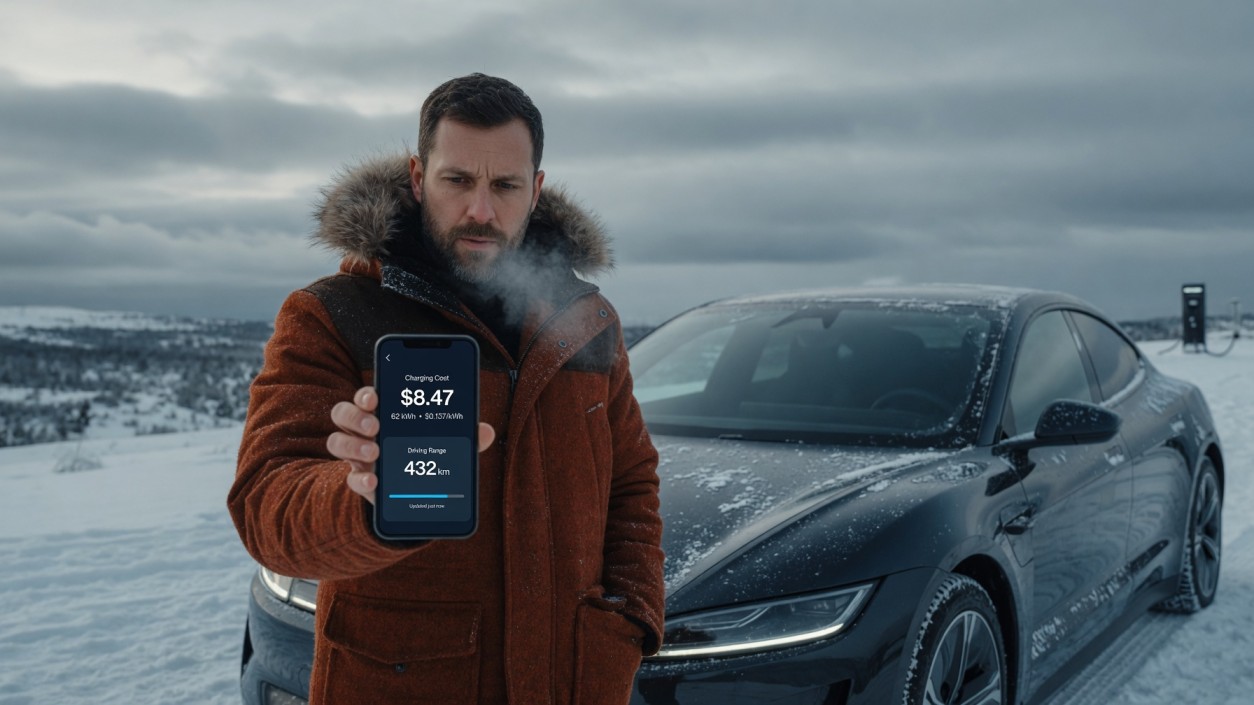

1. High Upfront Cost Remains a Major Barrier
Even with federal and provincial incentives, the upfront cost of an electric vehicle is still higher than a comparable gas car for most buyers.
According to recent data, the average price of a new EV in Canada remains significantly higher than gas vehicles in similar segments. Many middle-class families feel that even after receiving the $5,000 federal rebate, the total cost is still difficult to manage, especially when they also need to consider home charger installation.
For people who are already struggling with high living costs, housing, and inflation, spending extra $10,000–$20,000 on an EV feels like a big financial risk.
2. Winter Range Loss Creates Real Anxiety
One of the most common and genuine concerns among Canadians is how EVs perform in winter. Multiple studies and real owner reports show that EVs can lose between 20% to 40% of their range in cold weather.
For someone living in Alberta, Saskatchewan, or rural parts of Ontario and Quebec, this range loss becomes a serious issue — especially during long highway drives or when temperatures drop below -20°C. Many people worry about getting stranded or having to plan every trip around charging.
This fear is not imaginary. It comes from real experiences shared by EV owners during harsh Canadian winters.
3. Charging Infrastructure is Still Inconsistent
While major cities like Toronto, Vancouver, and Montreal have decent charging networks, many parts of Canada still lack reliable fast chargers. People living in smaller towns or those who frequently travel between provinces often face long gaps between charging stations.
According to Natural Resources Canada and various EV driver surveys, range anxiety is directly linked to the lack of fast-charging infrastructure in rural and remote areas. Until this gap is properly addressed, many Canadians will continue to feel uncomfortable buying an EV.
4. Fear of Expensive Battery Replacement
Another major concern is the cost of battery replacement. Even though most EVs come with 8-year battery warranties, many buyers worry about what happens after the warranty ends.
Battery replacement can cost anywhere between $12,000 to $22,000 depending on the model. For many middle-income families, this is a huge financial burden. The fear that they might have to spend a large amount of money on battery replacement after 7–8 years stops many people from buying an EV.
5. Uncertainty About Resale Value
Resale value is another genuine concern. Many Canadians worry that EVs may lose value faster than gas cars because battery technology is changing rapidly and new, cheaper models (especially from Chinese brands) are entering the market.
When people are unsure about how much their EV will be worth after 4–5 years, they become hesitant to make such a big purchase. This uncertainty is particularly strong among buyers who usually sell their cars after a few years.
6. Higher Insurance Costs
Insurance is another practical issue. In most provinces, insuring an electric vehicle costs more than insuring a similar gas-powered car. This is mainly because repair costs for EVs are higher due to expensive batteries and specialized parts.
For many families already paying high insurance premiums, this additional cost becomes another reason to delay buying an EV.
7. Limited Choices in Important Segments
While there are many good electric cars and compact SUVs available, options are still limited in some important categories. Full-size trucks, large three-row family SUVs, and affordable luxury vehicles still have fewer EV choices compared to gas models.
Many Canadians who need these types of vehicles feel that current EV options do not fully meet their practical needs.
Summary: Main Reasons Canadians Hesitate to Buy EVs
| Concern | Impact Level | Why It Matters |
|---|---|---|
| High Upfront Cost | Very High | Biggest barrier for most families |
| Winter Range Loss | Very High | Real concern in harsh Canadian winters |
| Limited Charging Infrastructure | High | Especially outside major cities |
| Battery Replacement Cost | High | Fear of expensive future repairs |
| Uncertain Resale Value | High | Buyers worry about future value |
| Higher Insurance Cost | Medium | Adds to overall ownership cost |
| Limited Model Options | Medium | Especially in trucks and large SUVs |
Final Thoughts
The hesitation many Canadians feel about buying EVs in 2026 is not without reason. Issues like high upfront cost, winter performance, charging infrastructure gaps, battery replacement fears, and uncertain resale value are genuine concerns that affect real people.
While the EV market is improving every year, these concerns will continue to slow down adoption until they are properly addressed. Manufacturers, governments, and charging companies need to work together to solve these issues if they want more Canadians to make the switch.
Would you like me to also write about what the government and automakers are doing to address these concerns? Or do you want a comparison between EVs and gas cars on these specific points?