

Electric vehicles are not just a mode of transportation anymore. In Canada, many EV owners are now using their cars to generate extra income. From selling electricity back to the grid to participating in car-sharing platforms, there are several ways to make money with an electric vehicle. In this article, we will explore the real and practical ways EV owners in Canada are earning money from their cars in 2026.

1. Vehicle-to-Grid (V2G) Technology
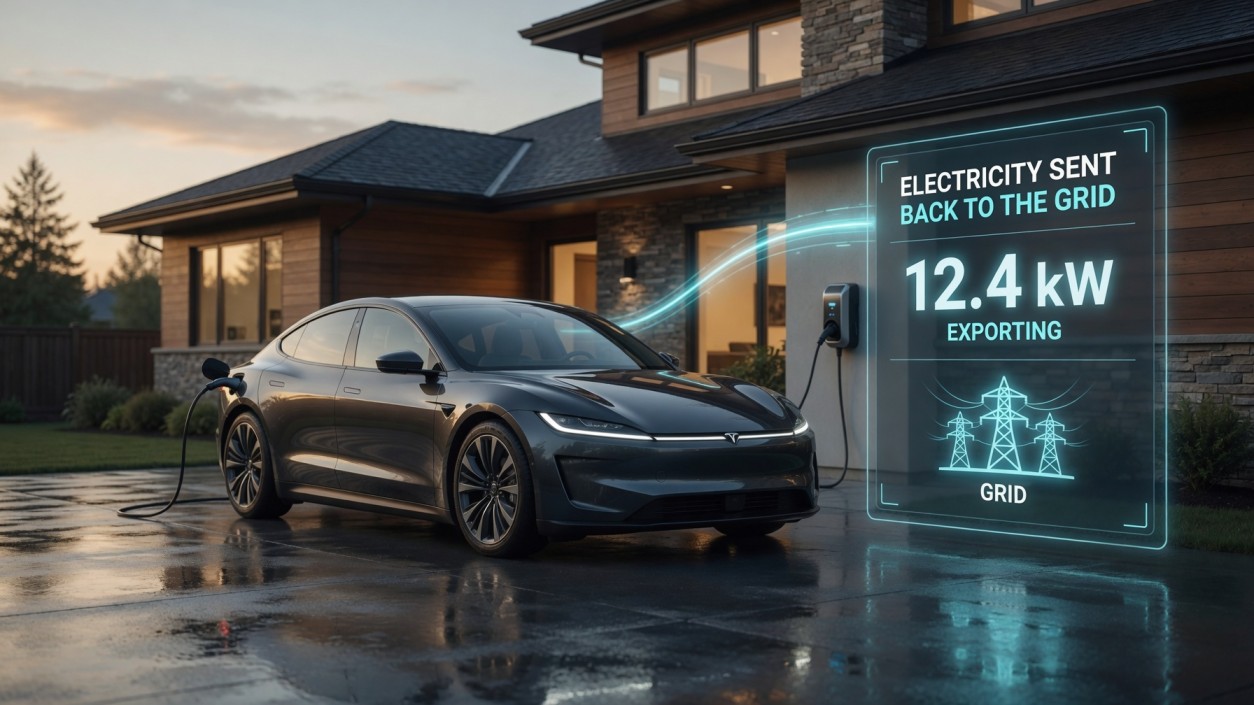
One of the most advanced ways EV owners can earn money is through Vehicle-to-Grid (V2G) technology. In this system, the electric vehicle can send stored electricity back to the power grid during peak demand hours.
How It Works:
- The car charges when electricity rates are low (usually at night).
- During peak hours, the car discharges electricity back to the grid.
- The owner gets paid for the electricity they supply.
Current Status in Canada:
V2G is still in the early stages in Canada. Some pilot projects are running in Ontario and British Columbia, but it is not yet widely available for regular EV owners. However, as more utilities adopt this technology, it is expected to become a major income source for EV owners by 2027–2028.
2. Vehicle-to-Home (V2H) Technology
Vehicle-to-Home (V2H) allows EV owners to use their car battery as a backup power source for their home during power outages. While this doesn’t directly pay money, it helps save money that would otherwise be spent on generators or hotel stays during long outages.
In provinces like Alberta and Ontario, where power outages are common during storms, V2H can provide significant cost savings.
3. Car Sharing and Peer-to-Peer Rentals
Many EV owners in Canada are earning money by renting out their vehicles through peer-to-peer car sharing platforms.
Popular Platforms in Canada:
- Turo
- Getaround
- Kinto Share (by Toyota)
How Much Can You Earn?
Owners can earn anywhere between $300 to $800 per month, depending on the car model, location, and how often they rent it out. Electric vehicles are in high demand on these platforms because renters prefer lower running costs.
4. Ride-Sharing and Delivery Services
EV owners are also using their vehicles for ride-sharing and delivery work.
Popular Options:
- Uber and Lyft
- Uber Eats and DoorDash
- Amazon Flex
Benefits:
- Lower fuel costs compared to gas cars
- Some cities offer EV-specific incentives for drivers
- Many drivers report earning $20–$35 per hour after expenses
However, high mileage can impact battery health over time, so drivers need to calculate whether the earnings justify the wear and tear.
5. Selling Electricity Through Net Metering (With Solar)
EV owners who have installed solar panels at home can earn money through net metering programs. When the solar panels produce more electricity than the home and EV use, the extra power is sent to the grid, and the owner receives credits or payments.
This combination of Solar + EV is becoming popular in British Columbia and Ontario.
6. Manufacturer Referral Programs
Some EV manufacturers offer referral bonuses when a new buyer purchases a vehicle using an existing owner’s referral code.
Examples:
- Tesla offers referral credits that can be used for free Supercharging or vehicle discounts.
- Some other brands also run limited-time referral programs.
While this is not a regular income source, active EV owners can earn several hundred dollars per year through referrals.
Summary: Ways EV Owners Earn Money in Canada
| Method | Potential Earnings | Availability in Canada |
|---|---|---|
| Vehicle-to-Grid (V2G) | High (Future Potential) | Limited (Pilot Stage) |
| Car Sharing (Turo, Getaround) | $300 – $800/month | Widely Available |
| Ride-Sharing & Delivery | $20 – $35/hour | Widely Available |
| Solar + Net Metering | Varies by province | Available in some provinces |
| Referral Programs | $100 – $500 per referral | Available (Limited time) |
Challenges of Earning Money with an EV
While there are opportunities, EV owners also face some challenges:
- High initial cost of V2G-compatible vehicles and home chargers
- Battery degradation due to frequent charging and discharging
- Limited V2G infrastructure in most provinces
- Insurance and legal complications in car-sharing
Final Thoughts
EV owners in Canada now have multiple ways to earn money from their vehicles. From car-sharing and ride-hailing to future technologies like Vehicle-to-Grid, the opportunities are growing. However, most of these income streams are still developing, and success depends on location, vehicle model, and how actively the owner participates.
As technology improves and more infrastructure is built, earning money from an electric vehicle will become easier and more profitable in the coming years. EV owners who stay informed and plan well can turn their car into a source of income rather than just an expense.
Would you like to know which EVs are best suited for earning money through car-sharing or V2G in Canada?