

Electric vehicle adoption in Canada is growing steadily, and this shift is beginning to reshape the traditional auto repair industry. As more Canadians switch to electric vehicles, repair shops across the country are experiencing both challenges and new opportunities. In this article, we will analyze the EV impact on auto repair shops in Canada and examine how the industry is adapting to this major transition.

How EVs Are Changing the Repair Industry
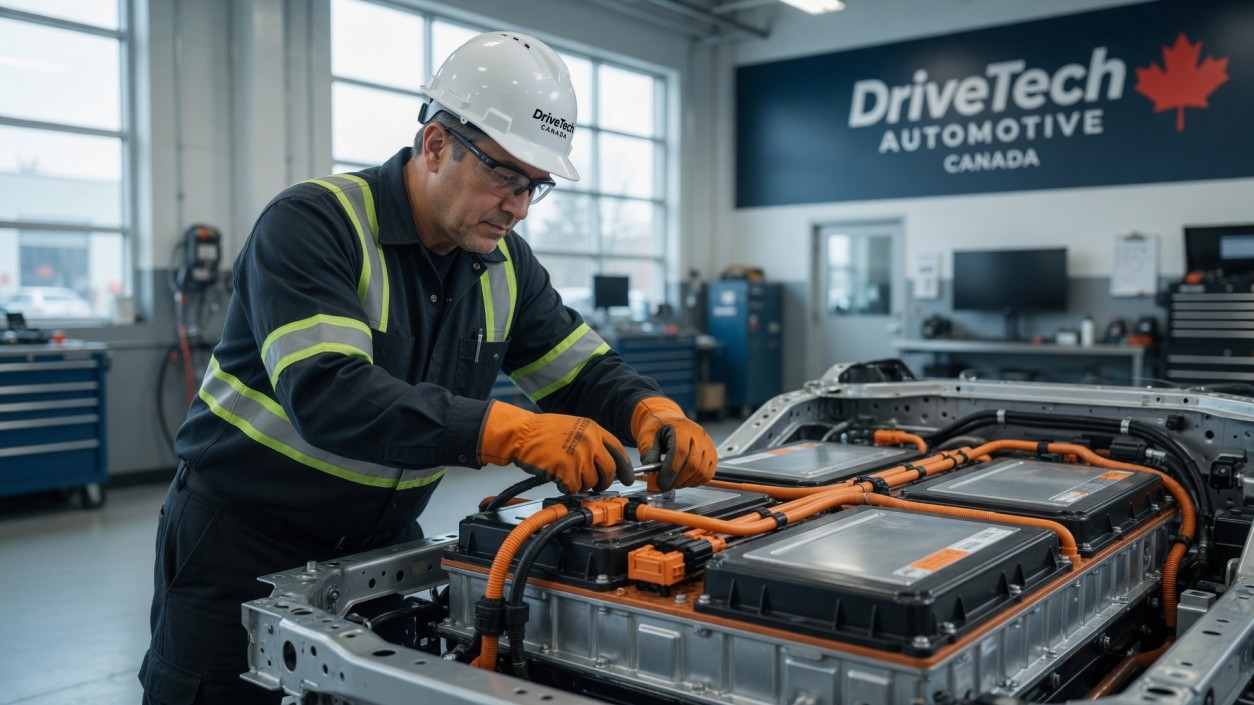
Electric vehicles have far fewer moving parts than gasoline cars. This fundamental difference is directly affecting the type of work repair shops receive. Services that were once common, such as oil changes, exhaust repairs, and transmission work, are becoming less frequent. On the other hand, new types of repairs related to batteries, electric motors, and software diagnostics are emerging. Because of this shift, many traditional repair shops are being forced to adapt their services or face declining revenue.
Decline in Traditional Repair Services
One of the most visible effects of EV adoption is the reduction in traditional repair work. Several services that once formed a major part of a repair shop’s income are now in decline. For example, oil changes are no longer required in electric vehicles. Similarly, exhaust system repairs and fuel system services have almost disappeared. Transmission repairs are also becoming rare because most EVs use single-speed transmissions. As a result, many independent repair shops that relied heavily on these services are now seeing a noticeable drop in business, especially in urban areas where EV adoption is higher.
New Opportunities Emerging for Repair Shops
While some services are declining, EV adoption is also creating new business opportunities. Repair shops that are willing to adapt can benefit from growing demand in several areas. Battery diagnostics and high-voltage repairs are becoming more common. Software and diagnostic work is increasing because modern EVs rely heavily on electronic systems. Charging system repairs and electric motor maintenance are also emerging as new service areas. In addition, tire and suspension work remains in demand because EVs are generally heavier than average vehicles, leading to faster wear. Shops that invest in training and specialized equipment are better positioned to capture this new market.
Challenges Faced by Auto Repair Shops
Despite the new opportunities, many repair shops in Canada are struggling to adapt to the EV transition. The high cost of diagnostic equipment for electric vehicles is a major barrier for small and independent shops. There is also a shortage of trained technicians who understand high-voltage systems and EV technology. Training existing staff requires both time and money, which not all shops can afford. Furthermore, many warranty-related EV repairs are still directed to manufacturer dealerships, limiting work for independent shops. These challenges are making the transition difficult, especially for smaller businesses in both urban and rural areas.
Regional Differences Across Canada
The impact of EV adoption on repair shops varies across different provinces. In British Columbia and Quebec, where EV adoption is higher, repair shops are already feeling the shift more strongly. Ontario is also experiencing gradual changes as EV sales continue to grow. In contrast, provinces like Alberta, Saskatchewan, and the Atlantic regions have lower EV adoption rates, so traditional repair work still dominates in these areas. This regional difference shows that the EV transition is not affecting all parts of Canada equally, and repair shops in different provinces are adapting at different speeds.
Comparison: Traditional Repairs vs EV Repairs
| Service Type | Traditional Gas Cars | Electric Vehicles |
|---|---|---|
| Oil Changes | Very Common | Not Required |
| Exhaust Repairs | Common | Not Required |
| Battery Repairs | Common (12V) | High Voltage + Complex |
| Software Diagnostics | Limited | Very Common |
| Brake Repairs | Common | Less Frequent |
Final Thoughts
The EV impact on auto repair shops in Canada is already visible and will become even more significant in the coming years. While some traditional services are declining, new opportunities in battery work, software diagnostics, and EV-specific repairs are emerging. Repair shops that invest in training and modern equipment are more likely to succeed, while those that rely only on traditional services may struggle. The future of the auto repair industry in Canada will depend on how quickly and effectively businesses adapt to this major technological shift. Shops that prepare now will be better positioned to thrive as electric vehicle adoption continues to grow across the country.