

One of the biggest concerns for Canadians thinking about buying an electric vehicle is battery degradation in cold weather. Many people worry that freezing temperatures will damage their EV battery over time.
In this article, we will explain how EV battery degradation in Canadian cold weather actually works, how much range you can expect to lose, and what steps you can take to protect your battery.

Does Cold Weather Damage EV Batteries?
Cold temperatures do affect electric vehicle batteries, but they don’t usually cause permanent damage in modern EVs. However, cold weather does slow down the chemical reactions inside the battery. As a result, you may experience:
- Reduced driving range
- Slower charging speeds
- Slightly weaker performance
These effects are mostly temporary. Once the battery warms up, performance usually returns to normal.
How Much Range Do EVs Lose in Canadian Winters?
Real-world data shows that EVs can lose a noticeable amount of range in cold weather. Here’s a breakdown:
| Temperature Range | Average Range Loss | Example (Tesla Model Y) |
|---|---|---|
| 0°C to -10°C | 15% – 25% | Loses around 80–100 km |
| -10°C to -20°C | 25% – 35% | Loses around 100–130 km |
| Below -20°C | 35% – 45% | Can lose 150+ km |
These numbers can vary depending on the vehicle model, driving style, use of heating, and whether you precondition the battery.
Factors That Increase Battery Degradation in Cold Weather
While cold weather itself doesn’t cause major long-term damage, some habits can increase battery degradation over time. For example:
- Frequently charging the battery to 100% in very cold weather
- Leaving the vehicle parked for long periods without preconditioning
- Using high cabin heating without warming up the battery first
- Regularly fast charging in extremely low temperatures
Modern EVs have smart battery management systems that protect the battery. However, following good habits can still help maintain better battery health in the long run.
How to Reduce the Impact of Cold Weather on EV Batteries
You can take several steps to minimize range loss and protect your battery during Canadian winters:
- Use preconditioning while the vehicle is still plugged in
- Charge the battery to 80% for daily use instead of 100%
- Park in a garage whenever possible during extreme cold
- Use seat heaters instead of full cabin heating to save energy
- Keep the vehicle plugged in when not in use
These small changes can make a noticeable difference in both daily range and long-term battery health.
Do All EVs Perform the Same in Cold Weather?
No. Different electric vehicles handle cold weather differently. Some important factors include:
- Quality of the battery thermal management system
- Type of battery chemistry
- Software optimization for cold temperatures
- Whether the vehicle has a heat pump
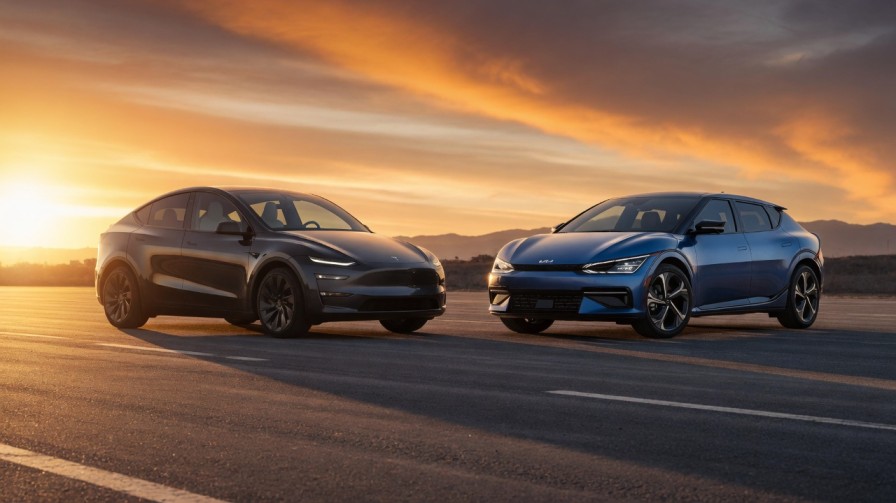
Vehicles like Tesla Model Y, Kia EV6, and Hyundai Ioniq 5 generally perform better in cold weather compared to older EV models. Newer vehicles with advanced thermal systems are becoming much better at handling Canadian winters.
Final Thoughts
EV battery degradation in Canadian cold weather is a real issue, but it is often less severe than people think. While cold temperatures do reduce range and charging speed, they do not cause major permanent damage to modern EV batteries if you follow good charging habits.
If you live in a cold part of Canada and are planning to buy an electric vehicle, choose a model with a good thermal management system and make preconditioning a regular habit. With the right vehicle and proper care, you can comfortably use an EV even during harsh Canadian winters.
Would you like recommendations for the best EVs that perform well in Canadian cold weather? Feel free to ask in the comments.