

Electric vehicle adoption in Canada is growing, but not equally across the country. While big cities like Toronto, Vancouver, and Montreal are seeing faster growth in EV sales, rural and remote areas are significantly behind. This difference is creating a clear divide in how Canadians are transitioning to electric mobility.
In this article, we will explore the real gap in EV adoption between rural Canada and big cities, the reasons behind it, and what needs to change.
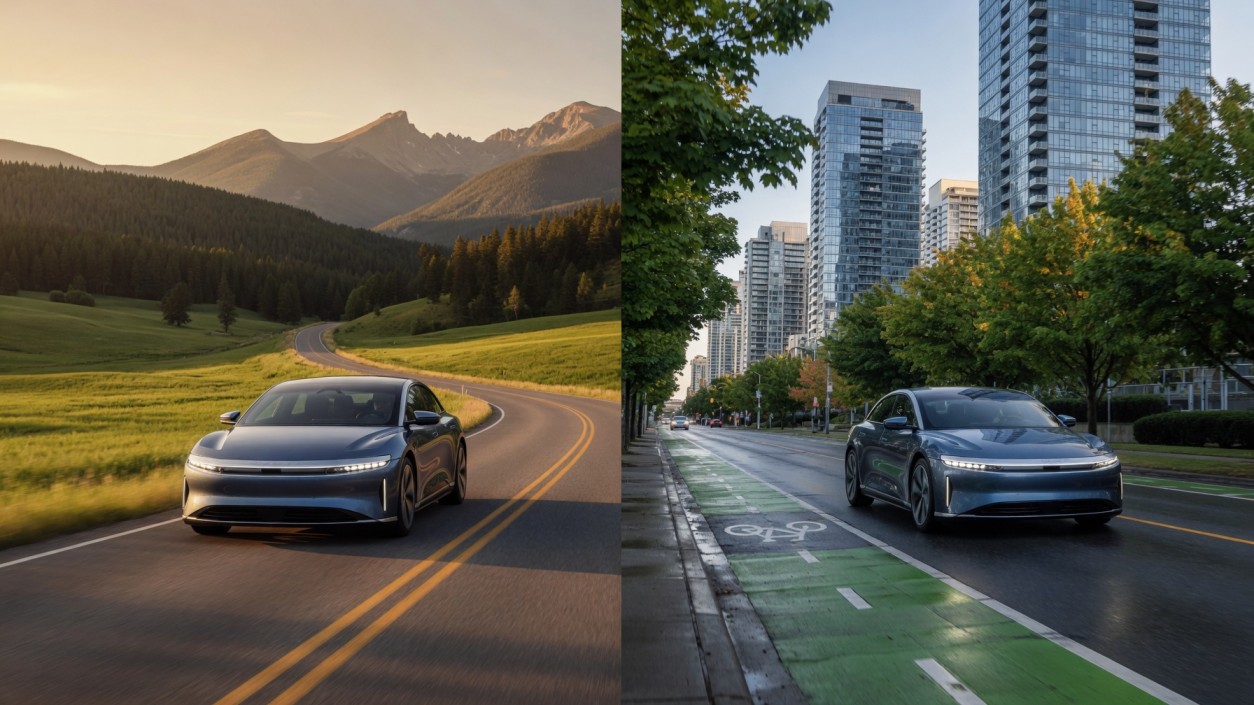

Current Situation: Urban vs Rural EV Adoption
EV adoption is much higher in urban areas compared to rural regions. Major cities have better access to charging stations, higher awareness about incentives, and more EV-friendly policies. On the other hand, many rural communities still rely heavily on gas-powered trucks and SUVs due to long driving distances, harsh winters, and limited charging infrastructure.
According to recent data, provinces with large urban populations (like Ontario and British Columbia) have significantly higher EV registration rates compared to provinces with more rural populations (like Saskatchewan, Manitoba, and Newfoundland).
Why the Gap Exists
There are several practical reasons why EV adoption is slower in rural Canada:
1. Lack of Charging Infrastructure
This is the biggest barrier. Many rural areas have very few or no fast chargers. People often have to drive long distances just to find a reliable charging station, which makes EV ownership inconvenient.
2. Longer Driving Distances
Rural Canadians typically drive more kilometers per year than city dwellers. They often travel between towns for work, shopping, or family visits. Current EV range, especially in winter, is still a concern for many rural drivers.
3. Need for Trucks and Larger Vehicles
In rural areas, trucks and large SUVs are more common for work, farming, towing, and off-road use. The availability of affordable electric trucks and large SUVs is still limited, which slows down adoption.
4. Lower Awareness of Incentives
Many rural residents are less aware of federal and provincial EV incentives compared to people living in big cities. This lack of information reduces interest in switching to electric vehicles.
5. Harsh Winter Conditions
Rural areas often experience more extreme winter conditions. Concerns about range loss, battery performance, and reliability in deep snow make many rural buyers hesitant.
6. Higher Upfront Cost Sensitivity
Rural households often have different financial priorities. The higher purchase price of EVs (even after incentives) feels like a bigger risk for many families in smaller communities.
Comparison: EV Adoption – Rural vs Urban Canada
| Factor | Big Cities | Rural Areas |
|---|---|---|
| Charging Infrastructure | Good and growing | Very limited |
| Awareness of Incentives | High | Low to Medium |
| Daily Driving Distance | Lower | Higher |
| Vehicle Type Preference | Cars & SUVs | Trucks & Large SUVs |
| Winter Range Concern | Moderate | Very High |
| EV Adoption Rate | Higher | Much Lower |
Impact of This Gap
This urban-rural divide in EV adoption can create long-term problems:
- Rural communities may fall behind in the clean energy transition.
- Air quality improvements will be slower in smaller towns.
- Rural businesses (especially those in tourism or delivery) may lose competitiveness.
- The overall national EV adoption target set by the government may become harder to achieve.
What Can Be Done to Close the Gap?
To increase EV adoption in rural Canada, the following steps are important:
- Expand fast-charging infrastructure along highways and in smaller communities.
- Increase awareness about EV incentives in rural areas.
- Introduce more affordable electric trucks and larger SUVs.
- Offer additional provincial incentives for rural buyers.
- Support community charging hubs in remote locations.
Final Thoughts
There is a clear and growing gap in EV adoption between rural Canada and big cities. While urban areas are moving forward with better infrastructure and higher awareness, rural communities face real challenges related to charging access, vehicle needs, winter performance, and cost.
Closing this gap will require targeted efforts from both government and automakers. Without proper support, rural Canadians may continue to be left behind in the shift toward electric mobility.
If rural areas are properly supported with infrastructure and suitable vehicle options, EV adoption can grow more evenly across the country.
Would you like me to also write about which provinces are doing better or worse in rural EV adoption?